The case for the old method
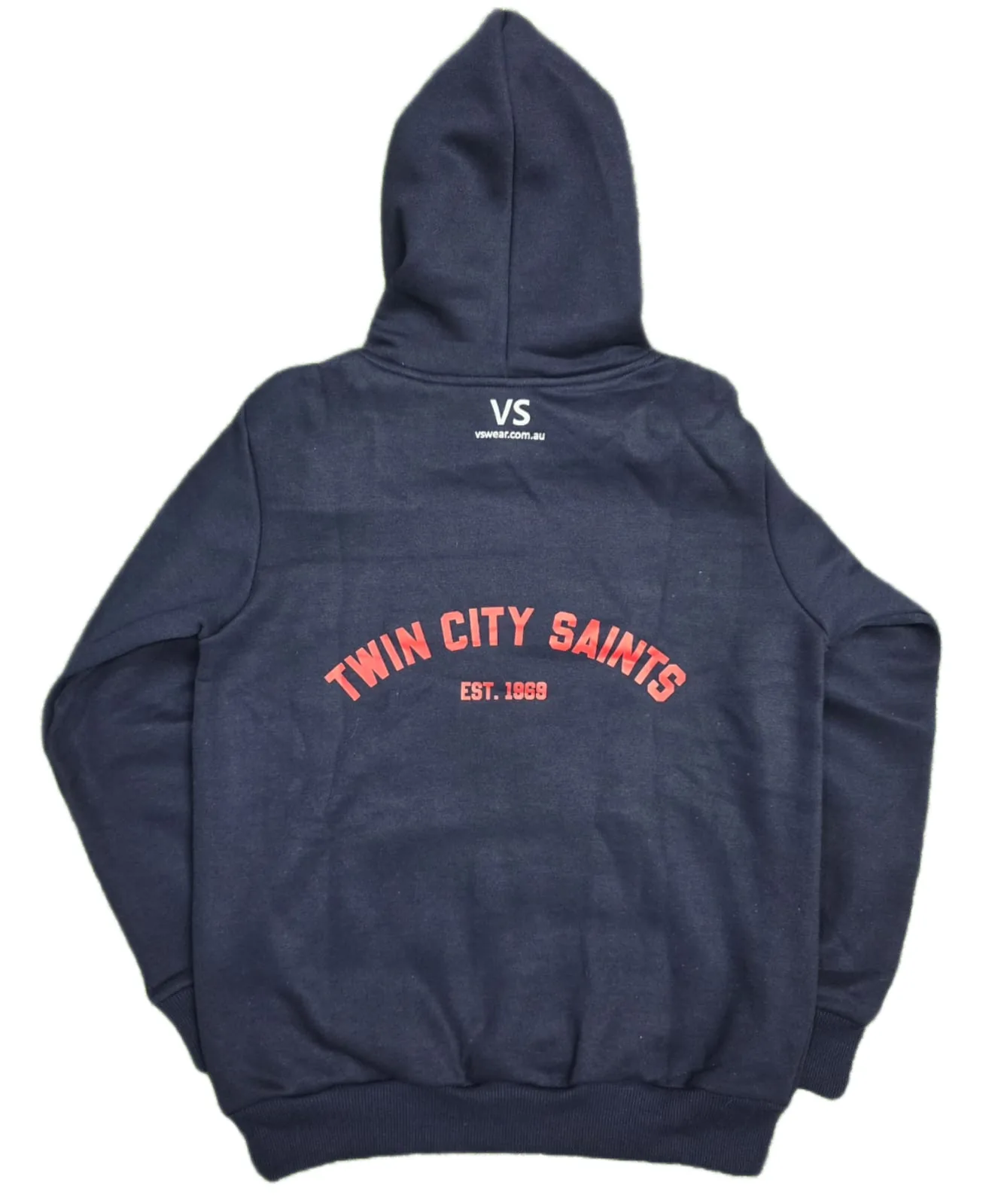
Screen printing predates every trend in this industry and has outlived most of them, because nothing else lays down solid colour with the same authority. Ink sits on the garment in a dense, opaque layer with edges you could set a ruler against. Big shapes stay big. Whites stay white on dark fabric. A two-colour mascot across a back panel looks like it was always part of the hoodie.
That confidence is the whole aesthetic of classic team and merch gear, and it is why "just make it bold" briefs still land on the screen printer's bench. If your artwork is a strong wordmark, a heritage crest simplified to its essentials or a graphic that must read from across a ground, this page is your method. If your artwork is a sunset gradient with fourteen colours, it is not, and the sublimation page explains where that design should live instead. Send us the artwork and the honest answer comes back with a quote inside 2 hours during business hours.
The fee schedule we deleted
Ask any print shop for a screen printing quote and watch the line items assemble: a setup fee per screen, one screen per colour per position, artwork fees if your file is not print-ready, more again if you want the back done too. None of it is dishonest; it reflects how the trade prices its labour. But it quietly redesigns your gear, because every colour and every position is a budget decision before it is a design decision, and committees respond by shrinking the artwork until the fees stop.
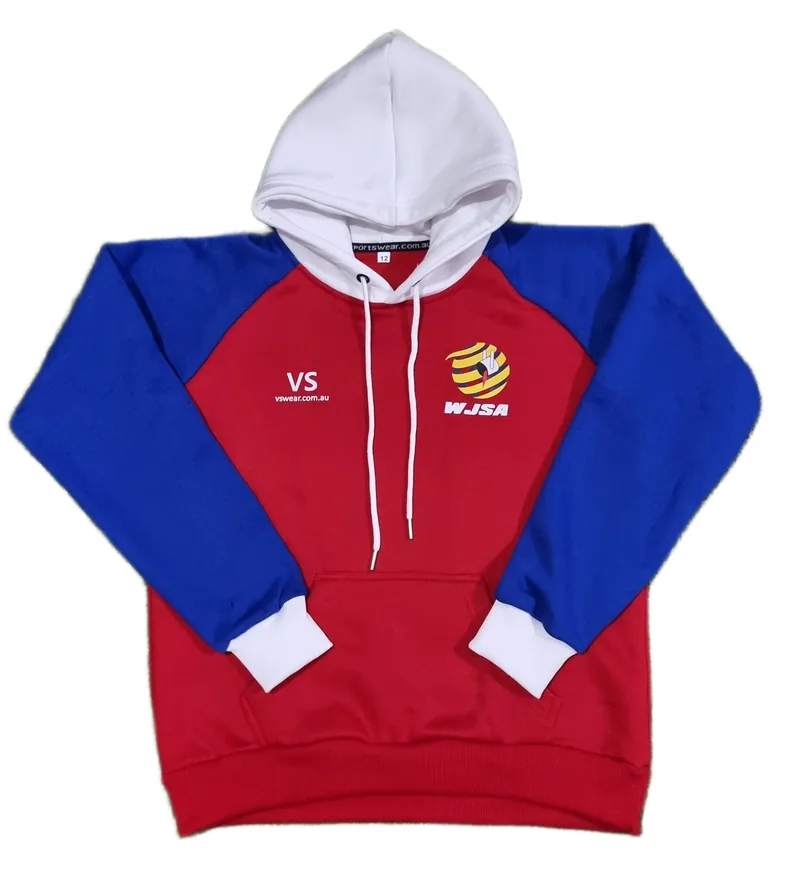
Our model removes the schedule entirely. Screens, artwork rebuilding, and every position your design needs are included in the quoted price, the same rule that covers embroidery digitising and sublimation setup across the range. The consequence is design freedom that screen printing rarely gets: front and back prints as standard, sleeve marks where they help, and colour counts chosen for the artwork rather than the invoice. The full pricing philosophy, and why per-element models blow out on group orders, is documented in the cost guide.
Where screen printing loses, said plainly
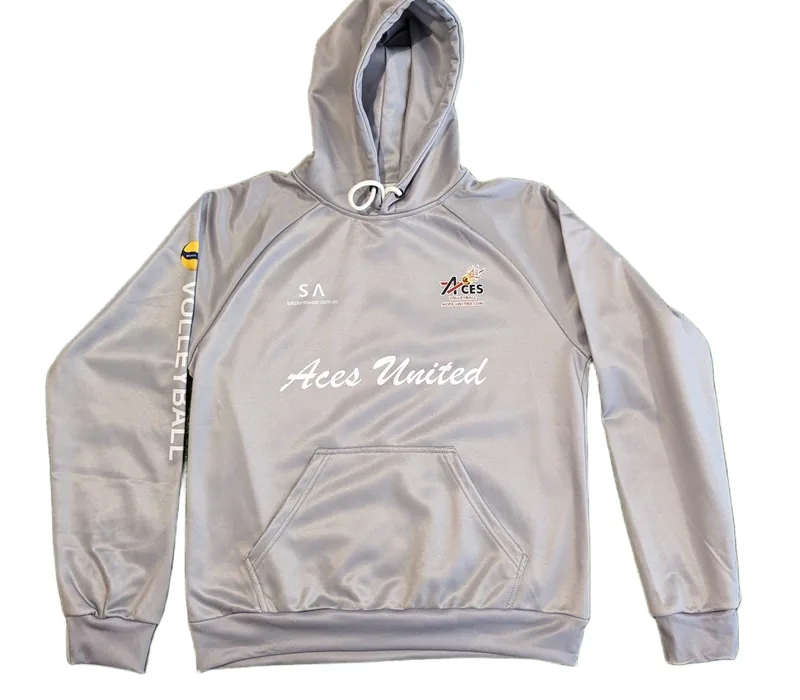
Method pages that only sell are useless, so here are the losses. Colour complexity: each additional solid colour adds real production work, and beyond a handful the economics and registration tolerances favour sublimation, where fifty colours cost the same as one. Coverage: prints live on panels; designs that flow over seams, hoods and cuffs belong to sublimation's edge-to-edge canvas. Fine photographic detail: halftones can do remarkable things, but if the artwork is a photograph, sublimation reproduces it without compromise. Texture: if you want branding you can feel, that is embroidery's whole domain.
What remains is exactly what screen printing should be used for, and on that ground it is unbeatable: bold, solid, high-contrast artwork with presence. The three-method comparison guide lines all of this up side by side if you want the full decision matrix.
Briefing a screen print job well
The quality of a printed hoodie is half production and half brief, and the brief is yours, so here is how the good ones arrive. They name the priority: "the back graphic is the hero, the chest mark supports it" beats "logo front and back" every time, because it tells the designer where to spend the size budget. They include the artwork's origin: a band poster, an old jersey, a sketch on a serviette, all fine, but knowing the reference lets the rebuild keep the intent. They declare the fabric colour early, because ink behaves differently on light and dark grounds and underbase decisions happen at design time. And they say how the gear will be worn, since a print that must survive daily site wear gets specified differently from a merch run worn to gigs.
None of this requires expertise, just sentences, and the design service fills every gap: once you order, the proof comes back within 1 to 2 business days showing the print exactly as it will sit, colours, positions and scale, with unlimited revisions until the committee, the crew or the band agrees. Groups who have been burned before sometimes ask whether the proof really reflects the finished print; it is the production reference, the remake guarantee hangs off it, and that alignment of incentives is the entire answer.
One more brief-stage tip that saves money without a discount in sight: if your design is creeping past a handful of colours, pause and ask whether it wants to be sublimated instead. The proof stage will catch it anyway, but arriving with the right method saves a revision round, and the comparison guide lets you self-diagnose in five minutes.
Making a printed hoodie that lasts
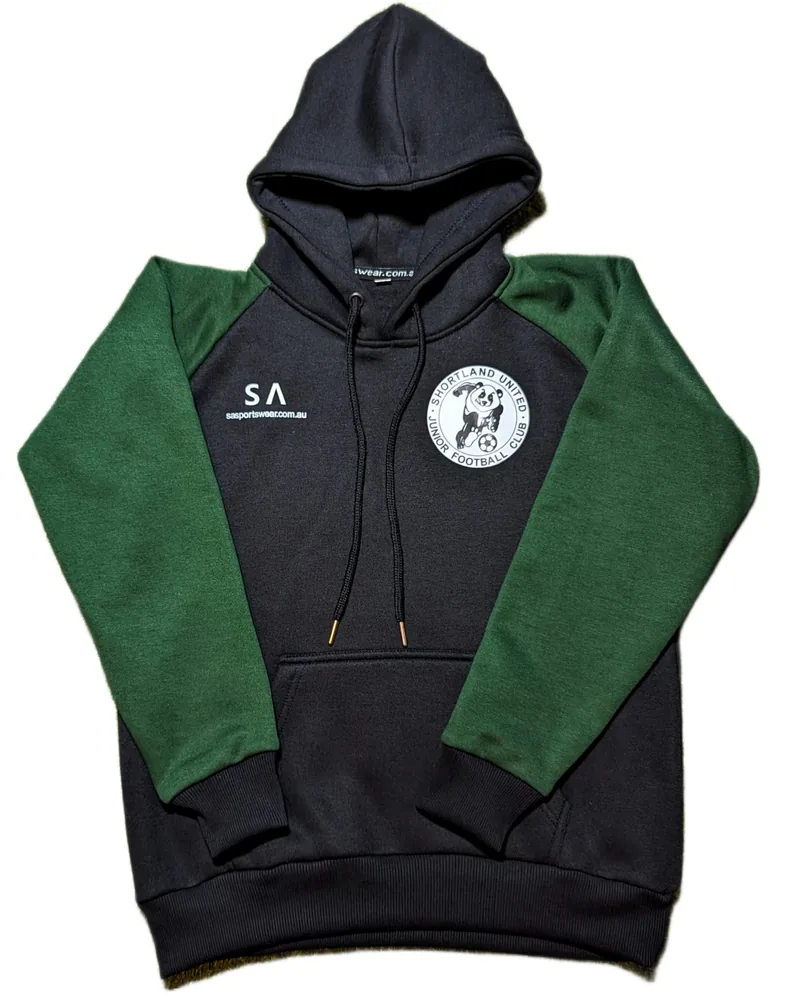
The gap between a print that survives five winters and one that flakes by spring is process, not luck. Quality inks, properly tensioned screens, correct cure temperatures and a garment worth printing on: each step either happens or it does not, and on a made-to-order production line every step happens under one roof, by the team answerable for the remake guarantee at the end of it. Pair the print with the 380gsm heavyweight cotton and you get the classic combination: plush fleece, confident ink, gear that gets fought over at the end-of-season clean-out.
Care is simple and shipped with every order: wash cold, inside out, normal cycle, skip harsh dryer heat. Treat the print like you would a favourite band tee and it behaves like one.
Printed gear, the CustomHoodie way
Everything else you already know if you have read a page on this site, because the terms never change: from 10 units through CustomHoodie, youth through adult 5XL, pullover or zip up builds, free design with a proof 1 to 2 business days after you order, unlimited revisions to approval, guaranteed 3 to 4 week production, tracked Australia-wide delivery, and the 100% remake guarantee against your approved artwork. Printed work sits throughout the gallery alongside the other methods. Start a screen print quote or call 1800 845 056 and bring the bold idea. The oldest method in the trade is still here because, on the right artwork, nothing else comes close.