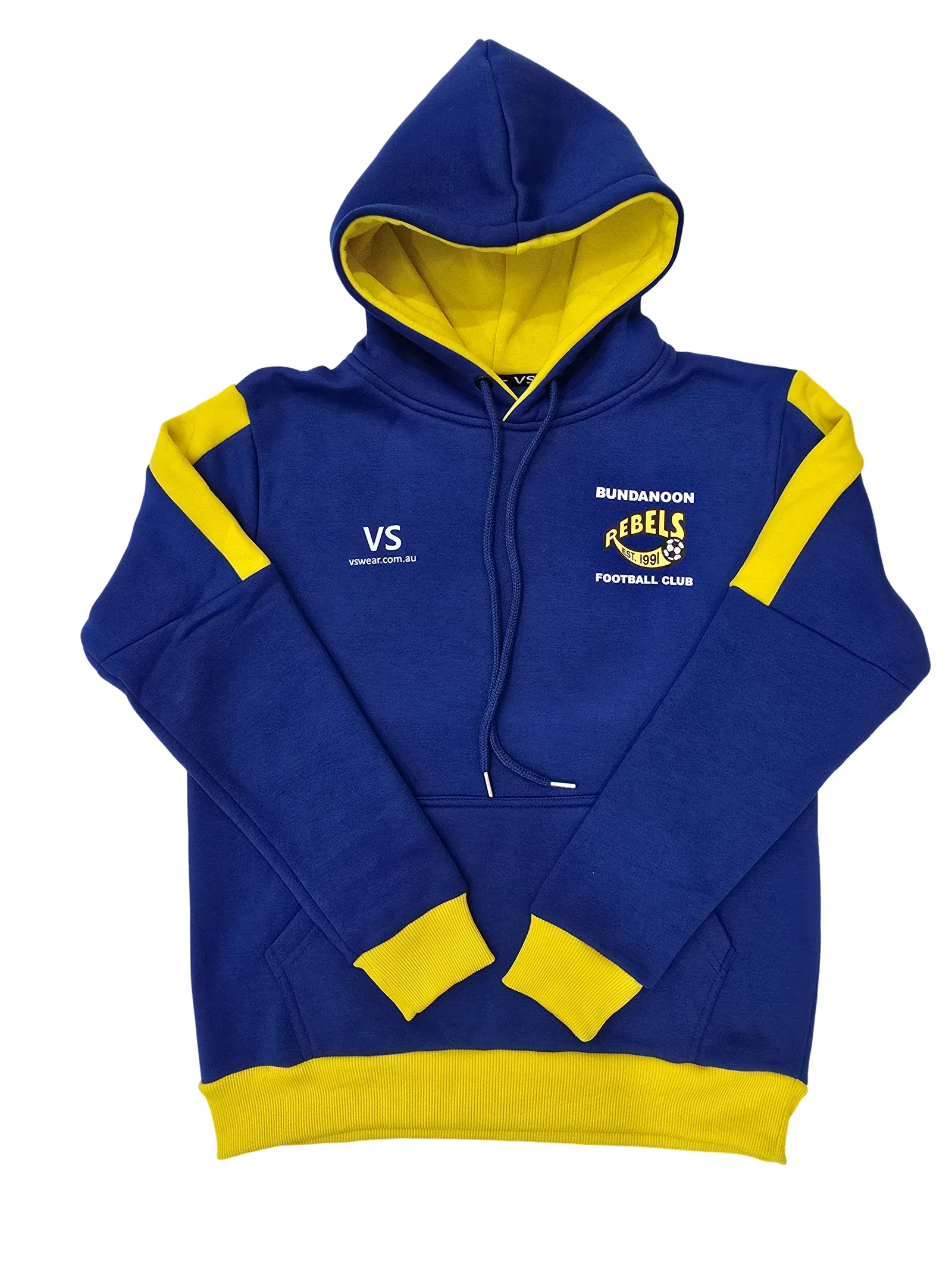
Why sizing is the coordinator's real job
Design gets the meetings, but sizing is where group orders are actually won or lost. A brilliant hoodie in the wrong size is a returned hoodie, an unworn hoodie, or a resented one, and a coordinator who nails the spreadsheet delivers more member happiness than any font choice ever will. The good news: sizing error is almost entirely a process problem, and process problems have checklists. This guide is the checklist, assembled from thousands of units' worth of orders across teams, schools and workplaces, including every way we have watched it go wrong.
The infrastructure on our side is already built for the job: youth 6 through adult 5XL in one production run, mixed cuts and styles in one order, real garment measurements supplied for circulation, a human review of your spread before production, and artwork kept on file so a top-up fixes any stragglers. Your side is the collection method, and it takes one evening to run properly. Start the order conversation and the sizing kit arrives with your quote.
The measurement method, step by step
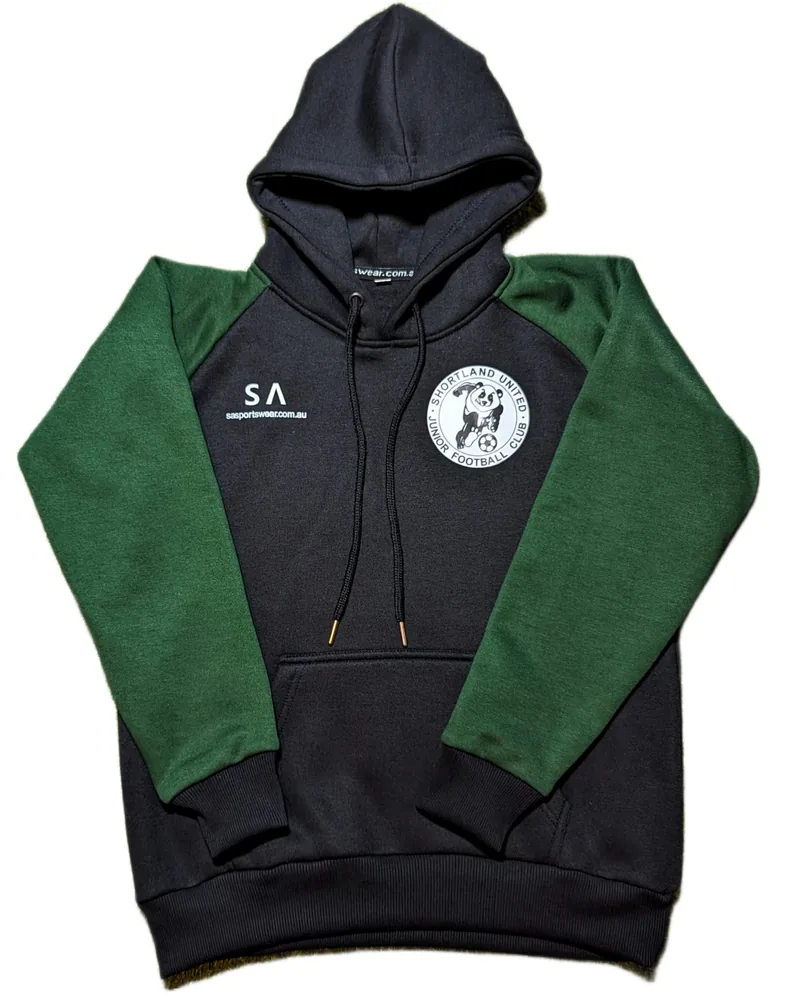
Letter sizes are opinions; centimetres are facts. The single change that eliminates most sizing error is having each person match garment measurements instead of guessing letters. The method: we supply the measurements for the actual garments in your order, chest width laid flat and body length top to hem. Each member takes a hoodie they already own and love, lays it flat, measures those two numbers, and picks our size with the closest match, adjusting one size for taste if they wear that favourite oversized or snug.
It works because it converts an abstract question, what size am I, into a concrete one, which of these numbers matches this thing I am holding. It survives ego, vanity sizing and the whole am-I-a-large identity crisis. It even works remotely, since everyone owns a hoodie and a tape measure or a ruler and string. Put the method at the top of your collection form, verbatim, and watch the guess-based mistakes vanish.
For groups adding the oversized cut, run the same method against the relaxed measurements we supply, and let people choose their cut alongside their size; mixed-fit orders are standard and pool for pricing.
Building the collection sheet that works
The winning sheet is boring and short. Columns: name, size, cut if you offer both, name-spelling exactly as it should appear if names go on the gear, and paid, if money is being collected simultaneously. One owner, never a committee. A close date with consequences, stated kindly and enforced cheerfully: sizes not submitted by Friday will be chosen by the coordinator using our spread advice, which is not a threat but a mercy, because the alternative is an order held hostage by the two people every group contains who never answer forms.
Timing matters as much as format: collect sizes while the design is in its revision loop, not after approval. The design conversation gives the collection its energy, everyone is looking at the mock-up anyway, and running both in parallel means the day the proof is approved, production starts against a complete size list instead of waiting a fortnight for the spreadsheet to limp home. The timeline guide shows how this one habit moves delivery weeks earlier.
Spread planning: the safety nets
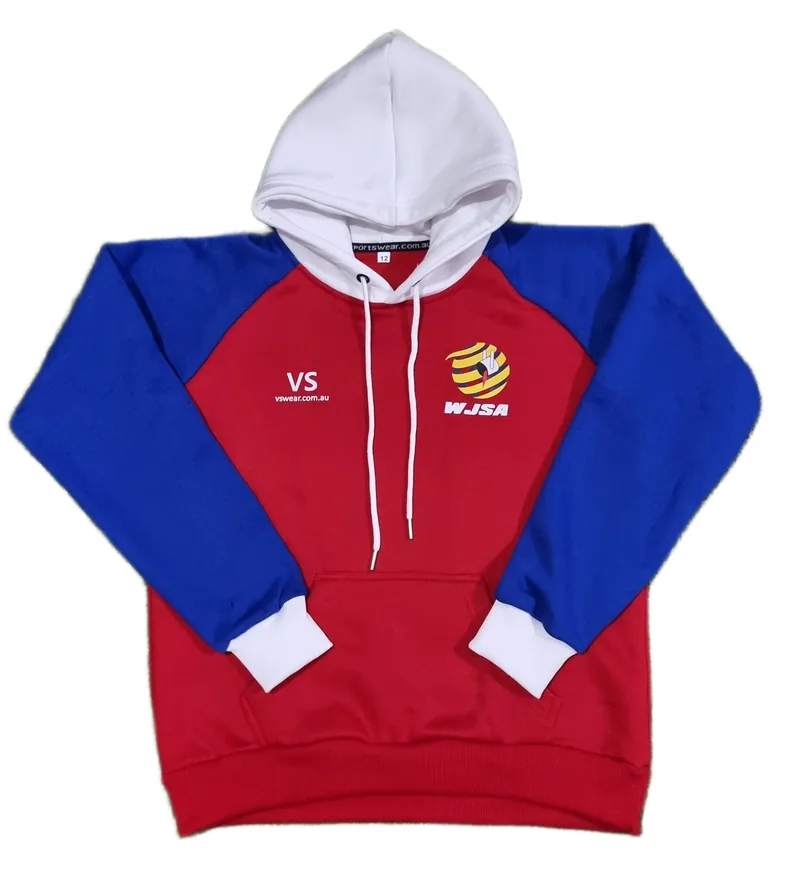
Individual sizes collected, the spread still deserves a look, and this is where experience earns its keep. A typical adult group centres on medium and large with a real tail into 2XL and beyond; a junior squad clusters by age band with outliers in both directions; a workplace spread is flatter than anyone expects. We review your submitted spread against comparable orders and query anomalies, the all-large junior team, the workplace with no plus sizes, the suspicious wall of mediums that usually means people guessed, before anything is cut.
Then the spares. Two to four units in the middle sizes for a standard run, more for large or fast-growing groups, ordered inside the original run where they are cheapest. Spares are the difference between a latecomer being a ten-second fix and a mini-crisis, and unclaimed spares never survive a season unclaimed. The full quantity logic, spares included, lives in the how-many guide.
The classic failures, and their antidotes
The proxy guesser: one person submits sizes for their whole family or crew from memory, wrongly. Antidote: the measurement method, which requires the actual person and their actual hoodie. The size-up reflex: half the group adds a size for safety and drowns in fabric. Antidote: state plainly that our measurements are true to fit and the method already accounts for preference. The silent straggler: the form sits at ninety percent for a fortnight. Antidote: the stated close date and coordinator's-choice rule. The name-spelling landmine: sizes perfect, SMITH spelled SMYTH on the back. Antidote: the name-spelling column, filled by the person themselves, checked once in the proof where names are listed. The growth gamble: junior gear ordered two sizes up for the future, worn never. Antidote: fit now, one size of grace maximum, and use the on-file top-up for next year instead of a tent this year.
Every antidote is built into the kit we send with your quote, so enforcement is copy-paste rather than willpower.
Where sizing meets the rest of your order
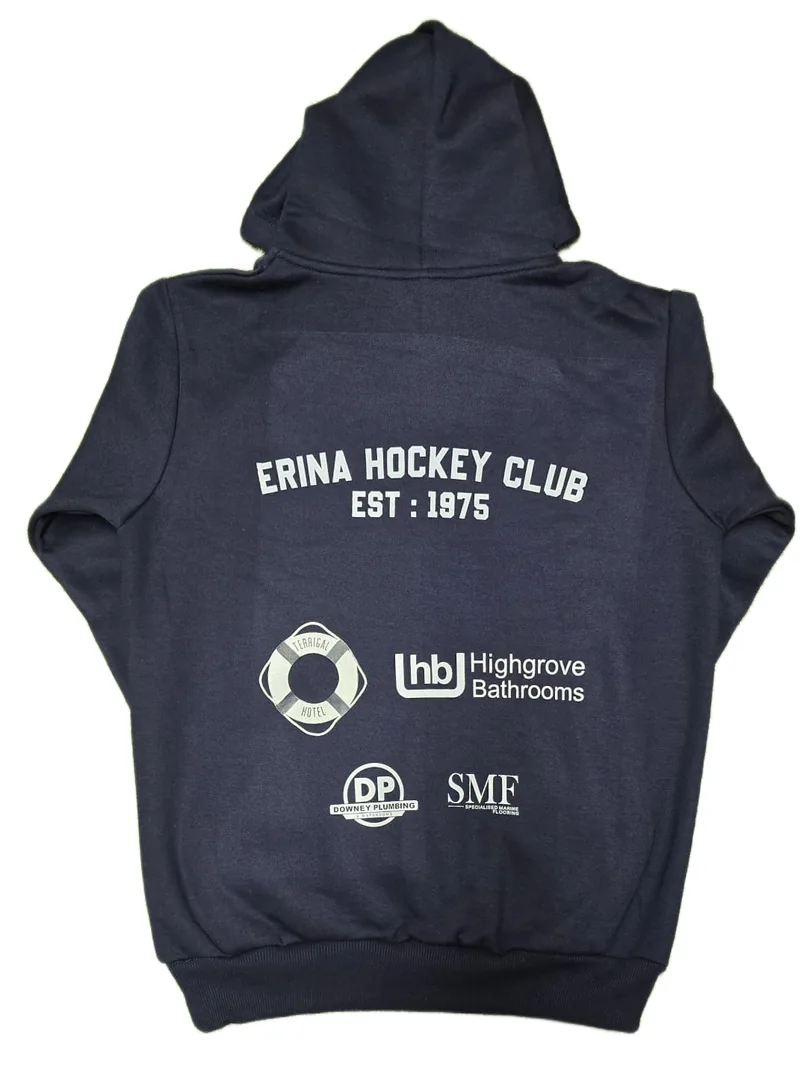
Sizing never travels alone. It shapes design where names and numbers are involved, the proof shows the name list so spelling gets its one formal check. It shapes cost through the quantity bands, which is why combining sub-groups into one order helps everyone. And it shapes the reorder, because your final size spread stays on file with the artwork, making next season's top-up or new-starter run a one-line email. Schools running year after year of gear, per the schools page, and clubs on the seasonal cycle quietly build a sizing history with us that makes each order easier than the last.
Production mechanics stay the standard promise: quote within 2 hours during business hours, proof 1 to 2 business days after you order, unlimited revisions, a guaranteed 3 to 4 weeks of production from approval, tracked delivery, and the remake guarantee anchored to the specs you approved. Bring the group; the spreadsheet has finally met its match.