The configurator trap, and the alternative
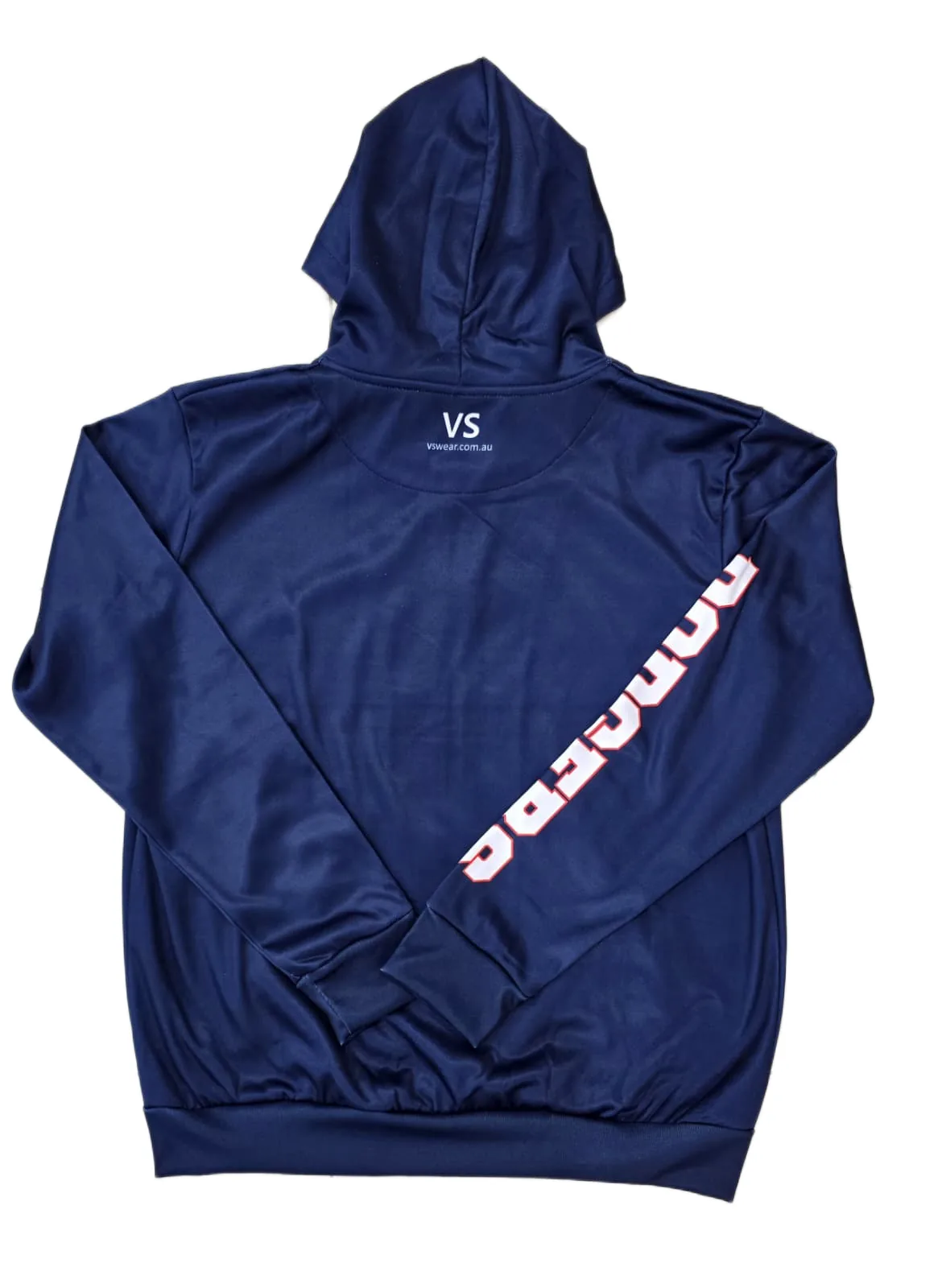
Type design your own hoodie into a search engine and you will find a wall of drag-and-drop tools: pick a blank, slap on some clip-art, nudge a text box, buy. It feels empowering right up until the parcel opens, because the tool printed exactly what an amateur produced, off-centre logo, thin fonts, colours that looked different on screen, no professional anywhere in the chain to say hang on. The configurator model outsources design labour to the one person in the transaction who never claimed to have it: you.
Our model keeps the part you are uniquely qualified for, the vision, and staffs the rest. You describe the hoodie your group imagines; a professional designer builds it; you judge proofs until it matches the picture in your head; production copies the proof under a remake guarantee. Design your own, with the emphasis on your idea rather than your software skills. Start with a quote and bring the idea in whatever state it exists.
What a brief looks like in real life
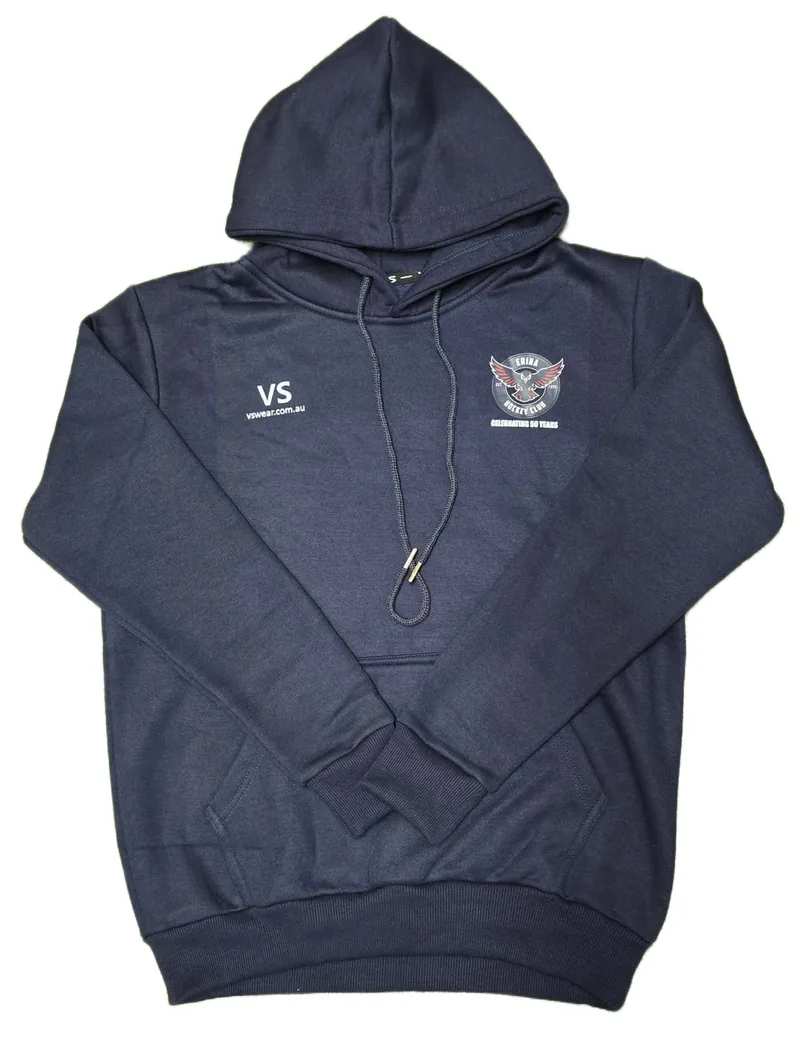
Forget design briefs as documents; ours arrive as fragments, and fragments work. A photo of a rival club's hoodie captioned like this but in our colours. A crest scanned off letterhead from two rebrands ago. A year group's shortlist of three fonts and one veto. A gym owner's voice-noted description of a mountain silhouette she saw once. The design team's craft is precisely turning fragments into artwork: logos redrawn clean at production quality, colours locked to real references instead of screen guesses, layouts built for the garment's actual panels and seams.
The one genuinely useful preparation is gathering what exists: any logo files, any colour codes your organisation uses, any examples that share the vibe. The artwork guide lists what helps and why, but none of it is an entry requirement; plenty of finished gear in the gallery started as a sentence.
The loop that makes amateurs dangerous
Once your order is in, the design loop runs: proof within 1 to 2 business days, your group reacts, the designer revises, repeat until approval, with no cap on rounds. Unlimited matters psychologically as much as financially. Groups experiment when experiments are free: the navy version against the black, the crest larger, the name list in two columns, the motto on the hood instead of the pocket. Somewhere around round two or three, a committee that has never designed anything is making confident aesthetic calls, because the loop showed them their options instead of asking them to imagine.
Two boundaries keep the loop honest. Design happens after ordering, which is why it can be unlimited, and production waits for written approval, which is why the loop cannot overshoot into gear nobody signed off. The approved file then becomes the contract: the 100% remake guarantee is a promise that the garments match it.
Design moves that separate great group gear
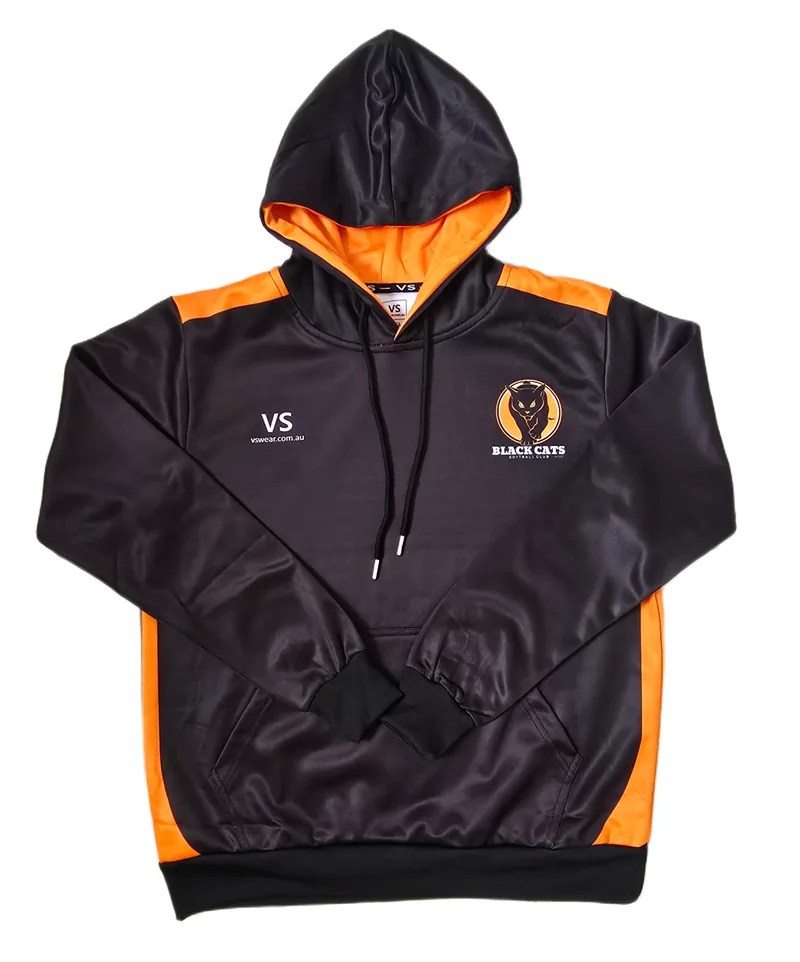
Watching thousands of proofs resolve teaches patterns worth stealing. Great group hoodies pick one hero, a back graphic, a chest crest or a name list, and let everything else support it. They use the design zones deliberately: chest for identity, back for statement, sleeves and hood for detail. They match colour to the organisation's real palette, which made-to-order fabric makes literal, since the garment itself is produced in your colours rather than decorated into an approximation. And they choose method by artwork: gradients and name lists ride sublimation, classic crests ride embroidery, bold graphics ride screen print, with the comparison guide breaking ties.
For inspiration at scale, the VS Wear Instagram publishes new customer projects most weeks of the year, a live feed of what other groups designed that screenshot-and-annotate briefs are made of.
Running the loop with a committee
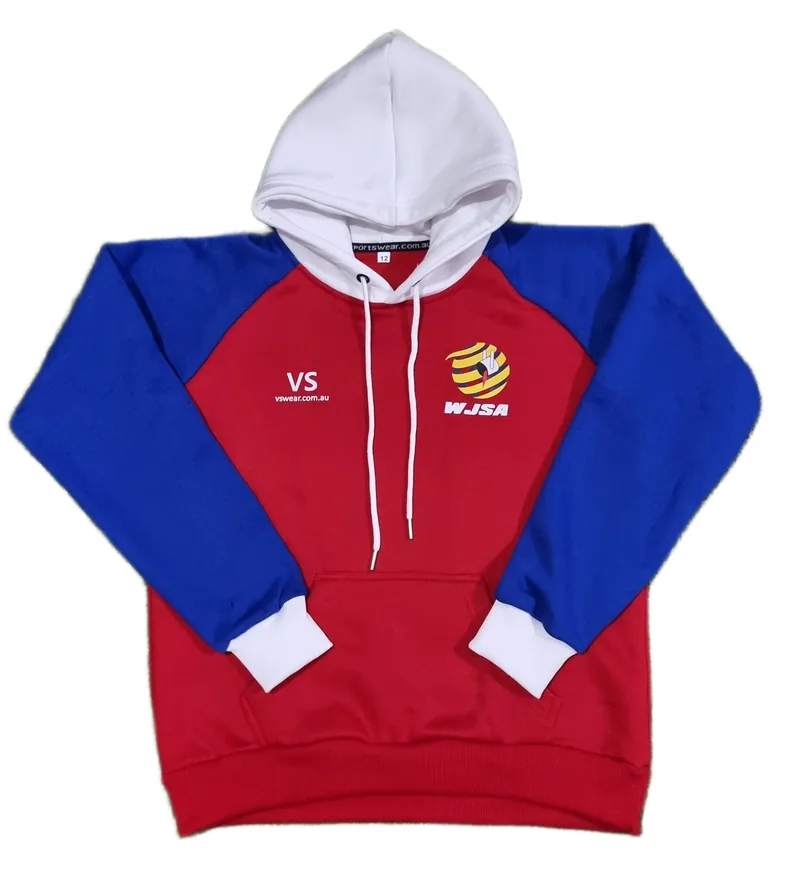
Groups design by committee whether anyone admits it or not, so build the politics into the process. Appoint one channel: every opinion funnels through a single coordinator who consolidates feedback into one revision request, because designers iterating against five contradictory emails produce five contradictory proofs. Vote on versions, not visions: abstract debates about vibe run forever, while version A against version B resolves in a lunchtime poll, which is exactly what unlimited revisions are for. Timebox the taste phase: agree up front on, say, three rounds before the final call, not as a hard limit but as social pressure against the eternal tinkerer every group contains. And separate approval from opinion: everyone may have thoughts, one person signs, and the timeline guide shows how that single discipline decides whether gear arrives early or late.
Handled this way, the design loop becomes the fun part of the order, the bit members screenshot and argue about happily, and the proof that finally gets approved carries the whole group's fingerprints without carrying its chaos. It also builds the quiet consensus that matters later: a group that watched its design evolve wears the result differently, because the hoodie arrives already belonging to everyone who voted on version three.
Your idea's next step
The path from here is deliberately short. Send a quote request describing the hoodie your group imagines, quantities and any deadline; the all-inclusive number arrives within 2 hours during business hours. Order when ready, meet your proof within 1 to 2 business days, and run the loop until the design is unmistakably yours. Then production's guaranteed 3 to 4 weeks, tracked delivery, and the moment every design-your-own journey is secretly about: your group, wearing your idea, asking who designed it. The honest answer will be you did, with staff. Every configurator on the internet promises that feeling; a design service with unlimited revisions and a remake guarantee is what actually delivers it, order after order, for groups who never once opened design software and never needed to.