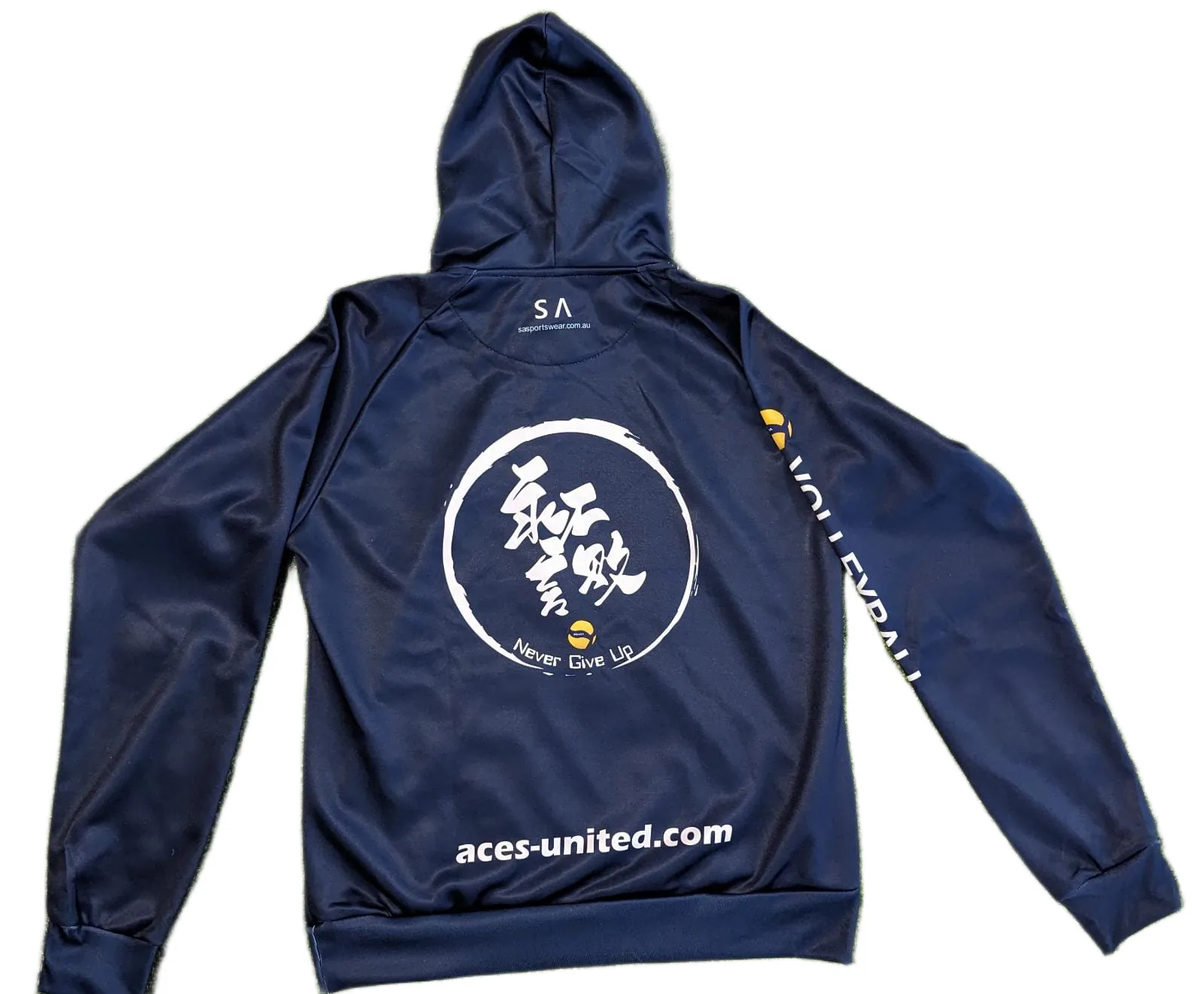
The artwork myth that delays orders
Somewhere along the line, buyers learned that custom apparel requires "print-ready artwork", and an entire genre of procrastination was born: the club waiting on a designer cousin, the business hunting a decade-old email attachment, the committee that shelved the whole idea because nobody had the right file. The myth has a true origin, decorators who charge for artwork genuinely do want you to arrive print-ready, but it does not apply here, and believing it costs groups whole seasons.
The operating truth on this site: artwork preparation is part of the product. Send what exists, in whatever state it exists, and professional rebuilding is included, free, with your approval gate before production. The rest of this guide explains what helps and why, but hold the headline: no file you lack can stop the order. Send the messy folder and let the designers sort it.
The file hierarchy, demystified
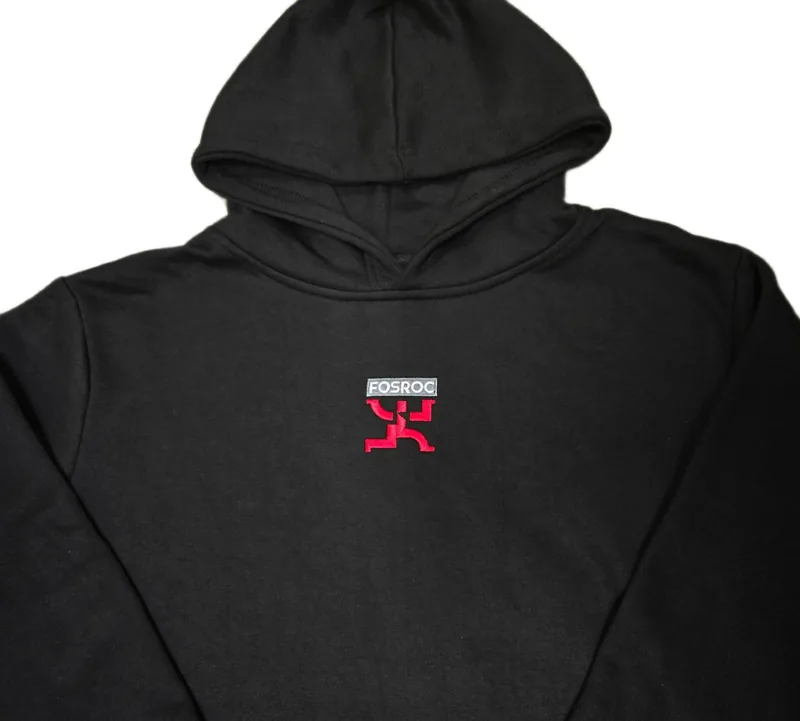
Since better inputs do speed the polish, here is the hierarchy in plain terms. Vector files, AI, EPS, SVG, vector PDF, describe artwork as mathematics, so they scale from business card to back panel with edges intact; if one exists anywhere in your organisation's history, an old printer, a sign-writer, a defunct agency, it is worth one email to find. High-resolution rasters, big PNGs with transparent backgrounds especially, reproduce well at typical logo sizes. Everything else, website screenshots, letterhead scans, embroidered caps photographed in sunlight, are briefs rather than files: perfect for showing intent, destined for redraw, and absolutely sufficient.
Two genuinely useful scavenger tips. Check email attachments from whoever last printed anything for you; vectors hide there. And prefer the original over the recreation: a crisp old file beats a well-meaning modern trace in a paint program, because traces bake in errors the original never had.
What the redraw actually fixes
A professional rebuild is not a filter; it is judgment applied line by line. Blurry edges get redrawn as clean curves. Muddied colours get re-separated against your real references. Text gets reset in the correct or a professionally matched typeface rather than stretched pixels. Elements too fine for thread get sensitively bolded for embroidery, per the physics covered on the embroidered page, while gradient and photographic elements get routed to sublimation where they reproduce without compromise. Composition gets engineered for actual garment panels, so nothing important dives into a seam or under a hood.
Every one of those judgments surfaces in your proof, inside 1 to 2 business days of your order, where you approve or push back with unlimited revisions. The redraw is invisible when done well, your logo, finally as sharp as you remember it being, which is precisely the point.
Colours, the part worth being fussy about
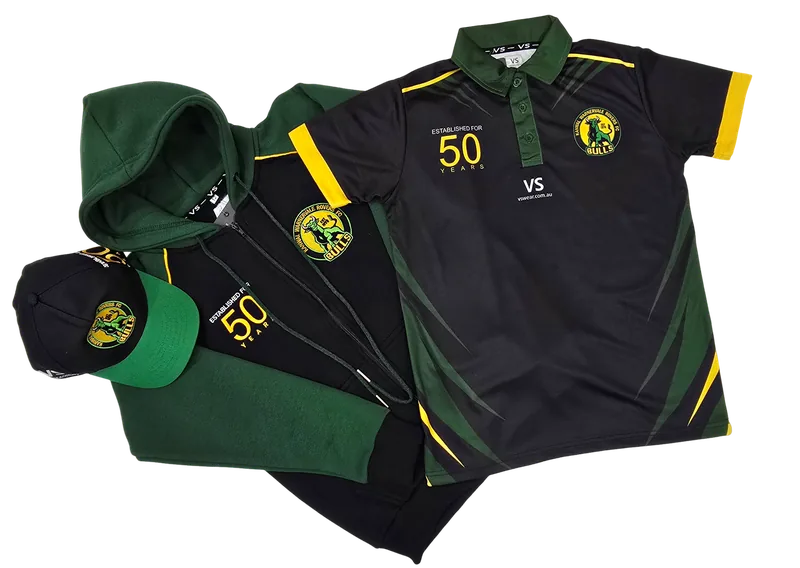
Artwork forgives; colour does not. A slightly bolder line survives scrutiny, but the wrong navy is wrong at every distance forever, so colour references deserve the five minutes they take. Best: your organisation's stated colour codes, from brand guidelines or whoever manages the crest. Very good: a physical garment or item whose colour is agreed to be right, which we match against. Workable: on-screen references with the shared understanding that screens lie slightly, which is why proofs exist.
Made-to-order manufacture raises the stakes pleasantly: your colours go into the fabric itself, not just the decoration, so the reference you lock governs the whole garment. Once locked at proof, references join your file archive, and every reorder reproduces them, which is how a club's greens stay identical across five seasons and three committees. If your organisation has never formalised its colours, this order is the perfect forcing function, and we will document what we match so the next decision is already made.
Sponsors, names and the multi-element design
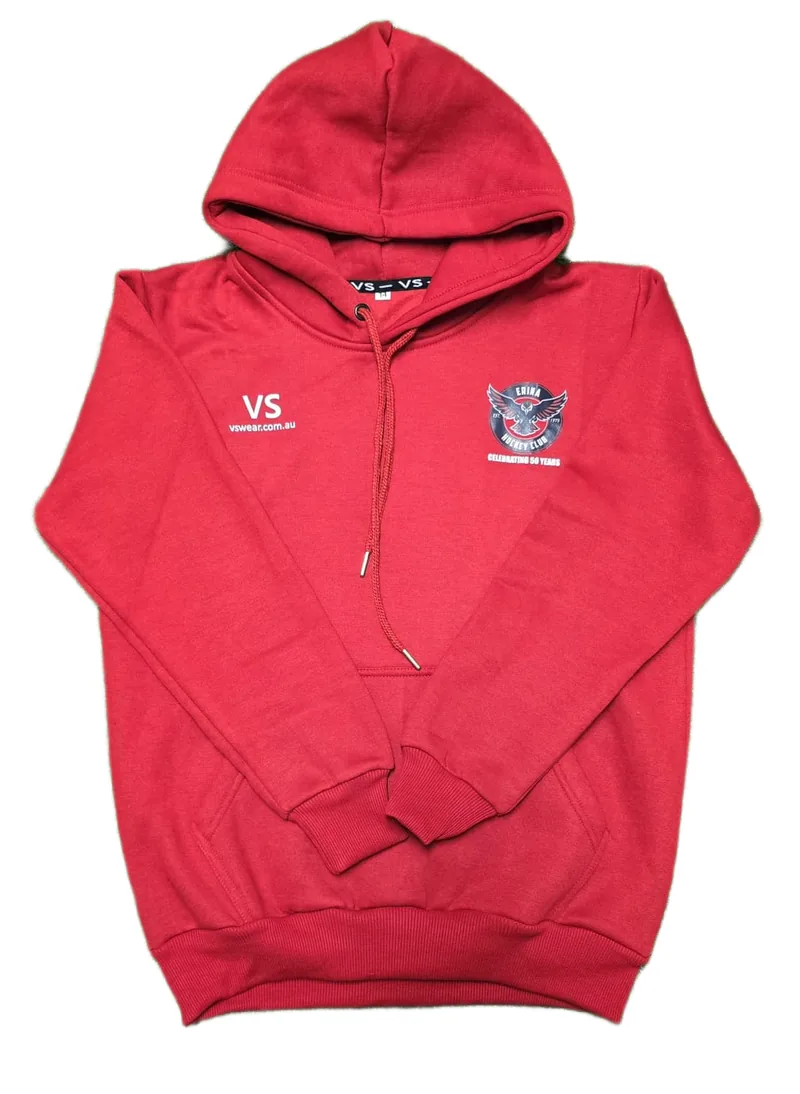
Group gear rarely carries one element, and composition is where amateur layouts crumble: six sponsor logos of wildly different shapes, a name list, a crest and a motto do not arrange themselves. The designers handle hierarchy professionally, principal sponsor sized to its stake, minor marks balanced on sleeves, name lists set legibly, and because unlimited logos and placements are included, the layout is decided by design sense rather than by which sponsor's fee cleared. Send every element you have, flag the political realities, this sponsor must be biggest, these two cannot touch, and let the proof absorb the diplomacy.
Name and number lists ride the same pipeline: submit spellings through the sizing sheet per the group sizing guide, see them rendered in the proof, and the included-at-no-cost rule on sublimated gear means personalisation never becomes a budget line.
A short field guide to common starting points
Because reassurance beats theory, here are the actual starting points of recent orders, all of which became finished gear. A committee whose entire brand was a hand-drawn crest on a 1980s premiership photo: redrawn faithfully, modernised gently, approved with applause. A business whose logo existed only inside a PDF invoice header: extracted, rebuilt as vector, embroidered crisply. A gym whose owner sent a competitor's hoodie with the caption this energy but legally distinct: designers delivered the energy, originality intact. A school with four subtly different crest versions in circulation: one canonical rebuild ended a decade of drift. And a leavers cohort with nothing but a colour scheme and a group vote for something with a snake: the proof loop produced a snake the principal approved, which is its own kind of miracle.
The pattern across all of them: the starting point predicted nothing about the finish. Send yours in whatever condition it survives.
From folder to first proof
The practical sequence, end to end. Gather the folder, logos in any state, colour references, gear photos, sponsor marks, wish-list examples, and send it with your quote request, quantities and deadline attached; the all-inclusive number returns within 2 hours during business hours, unbothered by your files' condition. Order when ready; the designers rebuild, compose and digitise; your proof lands within 1 to 2 business days; revisions run until the committee is content; and your approval releases the guaranteed 3 to 4 week production window, remake guarantee attached to exactly what you approved.
Afterwards, the archive works for you: every rebuilt file, locked colour and approved layout stored against your organisation, ready for reorders that begin at production rather than at scratch. The folder you were embarrassed to send becomes infrastructure, and nobody waits on a cousin again.