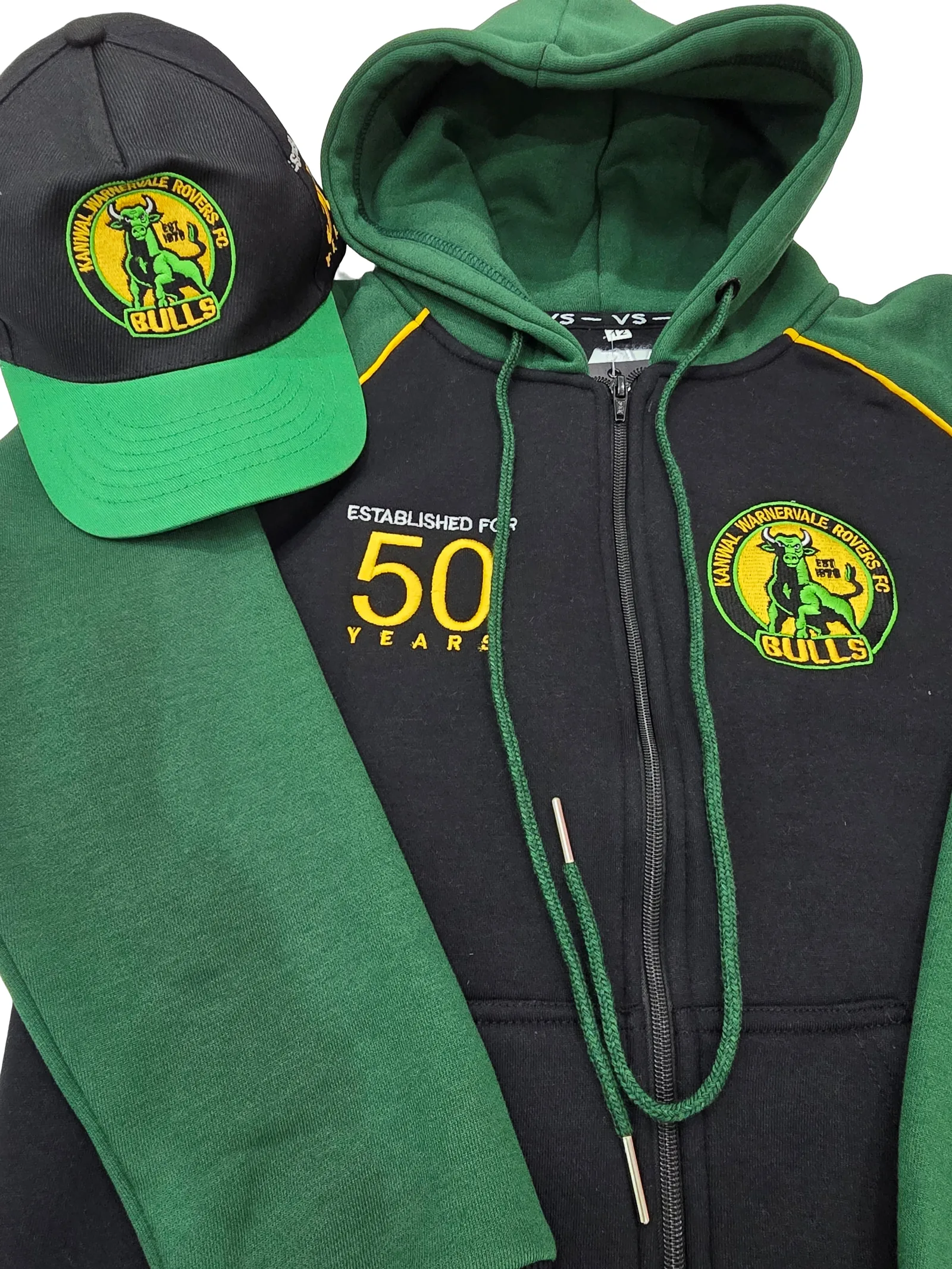
The second order is the real test
Any supplier can produce one good run; the industry's quiet failure is the second one. The colour that comes back slightly off because the catalogue changed dye lots. The setup fees charged again because screens were not kept. The design files lost with the sales rep who left. Groups learn to dread reorders, so they over-order the first time, which is its own tax. Our model was built against exactly this: everything approved on run one, artwork, decoration files, locked colour references, size specs, becomes a permanent archive, and every later run reproduces from it. The reorder stops being a project and becomes a message.
That single mechanism reshapes how groups should buy: order lean plus spares up front, per the how-many guide, and let the archive absorb growth, replacements and next season. This page covers the patterns that flow from it, from casual top-ups to full club-shop supply. Reorder from your files any time, or start the first run that builds them.
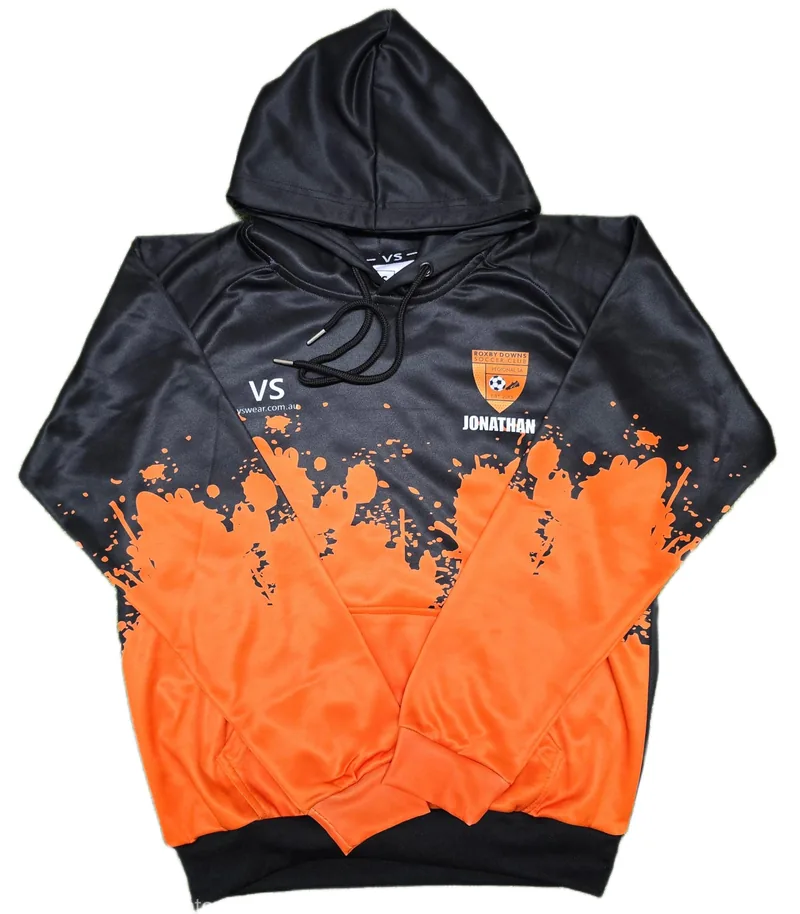
What actually lives in your archive
Worth itemising, because the archive is the product here. The approved artwork, in production form: rebuilt logos, composed layouts, the exact files the machines ran. Decoration assets: embroidery stitch programs, print separations, sublimation panels, the expensive-to-create pieces decorators charge to remake. Colour references, locked at your original proof, governing fabric and decoration alike. Size specifications and your group's historical spread, which improves every future sizing conversation. And the approval trail itself, who signed what, which protects both sides and survives committee turnover.
None of this requires you to store, name or ever locate a file. The organisation that cannot find its own logo, which is most organisations, is precisely who the archive serves: your gear's entire technical history, held professionally, retrievable by asking.
Top-ups: the cadence that works
Single-unit chases exhaust everyone, so the working pattern is the batched top-up: a periodic small run that sweeps together everything since the last one. Clubs run it mid-season, catching late signings, sizing swaps and the hoodie a car boot ate. Schools run it at term boundaries for new enrolments, per the schools page rhythm. Businesses run it quarterly against new starters. Each batch is one message, quantities and sizes, then the standard guaranteed 3 to 4 weeks from our side, no proof needed when nothing changed.
Timing discipline is the only skill involved: place the batch a month before the need, publicise the cut-off internally, "top-up closes Friday", and let stragglers learn the rhythm. Groups that run two predictable top-ups a year report the workload as near zero, which is the correct amount of workload for keeping forty people in matching gear.
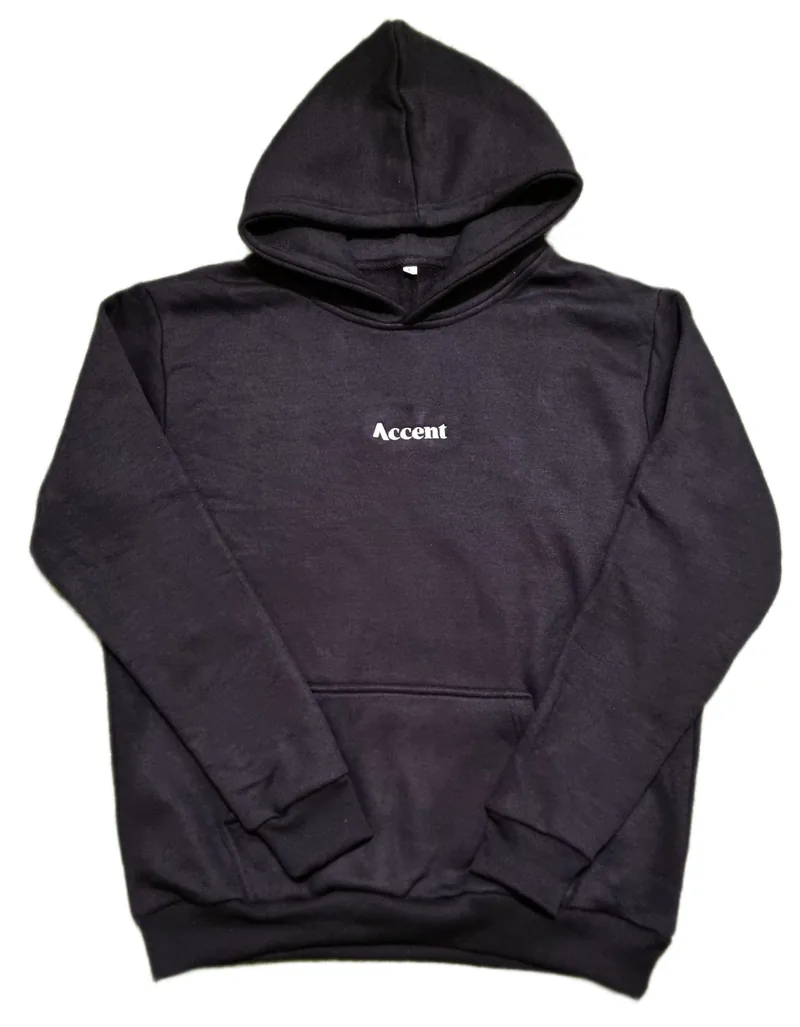
Club shops: from annual scramble to supply chain
For clubs selling gear year-round, the archive upgrades from convenience to infrastructure. The cycle that works: a pre-season main run sized from last year's actuals plus committed pre-orders, a mid-season top-up triggered when the popular sizes thin, and an opportunistic finals run when the season earns one. Every run pulls from the same files, so the shop's stock is internally consistent regardless of when it was produced, and the merch playbook layers pricing tiers and drops on top.
Two operational upgrades matter at shop scale. Retail-ready fulfilment, individually bagged, size-labelled, swing-tagged, turns cartons into shelf stock without a volunteer folding night. And sample approval on new range additions lets the committee sign a physical garment before committing the shop's budget. Both are asked for in the quote conversation, both exist because club shops taught us to offer them.
Changes without starting over
Reorders rarely stay frozen forever: sponsors change, year levels tick over, a new coach wants zips. The archive makes change cheap because it is incremental: the designers edit the affected elements, a new sponsor swapped into the sleeve, the honour list extended, and you proof only what moved. Colour, construction and everything untouched carry forward locked. Even style migrations, the same artwork moving from pullover to zip up, or a supporter line added in the oversized cut, start from your files rather than from zero, with honest advice where a method change needs rework.
The deliberate exception is the rebrand, where a group wants a fresh identity: that is a new design conversation by choice, run through the full free design loop, and your history still helps, since colours, sizing data and the lessons of run one inform run one of the new era.
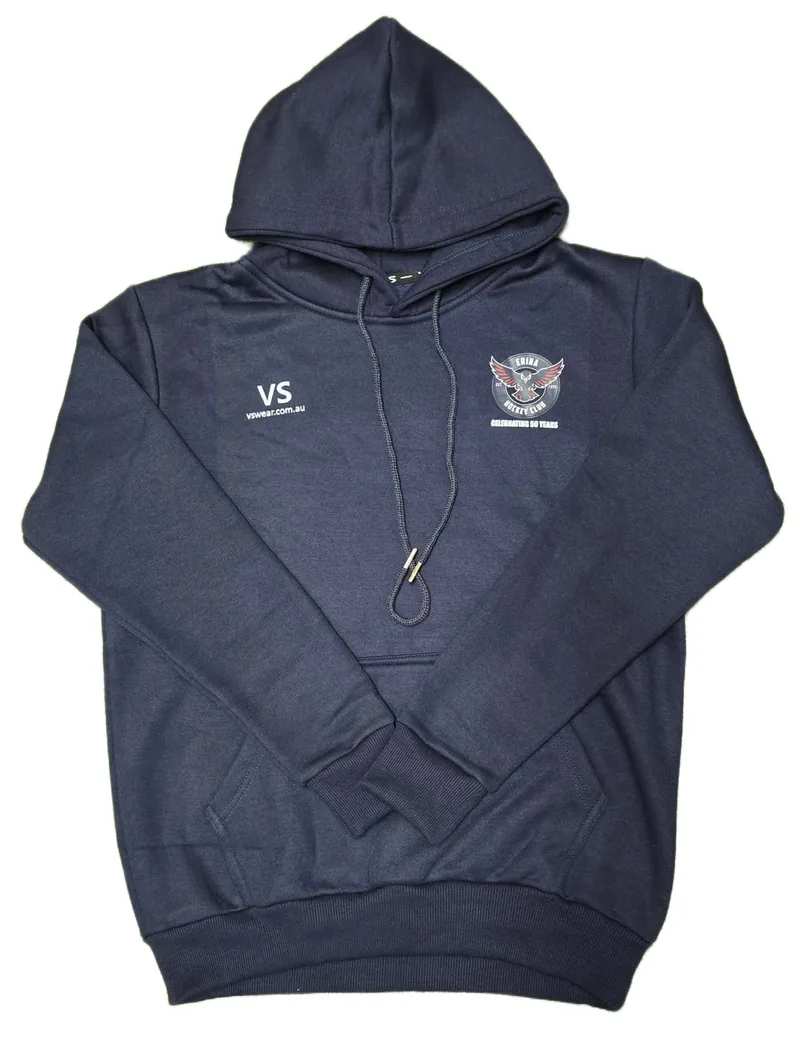
Handover-proofing: the coordinator's parting gift
Volunteer roles rotate, and the gear file is historically the first casualty: the outgoing merch secretary's laptop holds the logo, the supplier contact and the size history, and the incoming one starts from archaeology. The archive dissolves the problem structurally, everything lives against the organisation, but a five-minute handover note still helps: our contact details, the fact that files are held here, the reorder cadence the group settled into, and any standing decisions like the two-tier merch pricing. New coordinators who open with that note in hand place their first top-up in a day and spend their energy on the parts of the role that need judgment.
It is worth saying plainly to committees: choosing a supplier that archives properly is a governance decision, not just a shopping one. The gear program becomes an asset that survives people, which is what every club constitution wishes for and few procurement choices actually deliver.
The compounding return of staying put
Tally what the archive eliminates across a few years: no repeated setup or digitising fees, because there were never any; no redesign costs on unchanged gear; no colour-drift disputes; no handover chaos when coordinators change; no over-ordering against reorder friction that does not exist. Add the softer returns, new members matching old, the shop never embarrassingly empty, the committee meeting that approves a reorder in ninety seconds, and the case for supplier loyalty writes itself without a loyalty program in sight.
Hoodie orders from hundreds of clubs, schools and businesses have shipped off this line, and the reorder rate is the statistic behind the sentence. Whether you are topping up run one or contemplating run ten, the archive is ready when you are, and 1800 845 056 connects you to people who can see your history on screen while you talk.