Three technologies, three characters
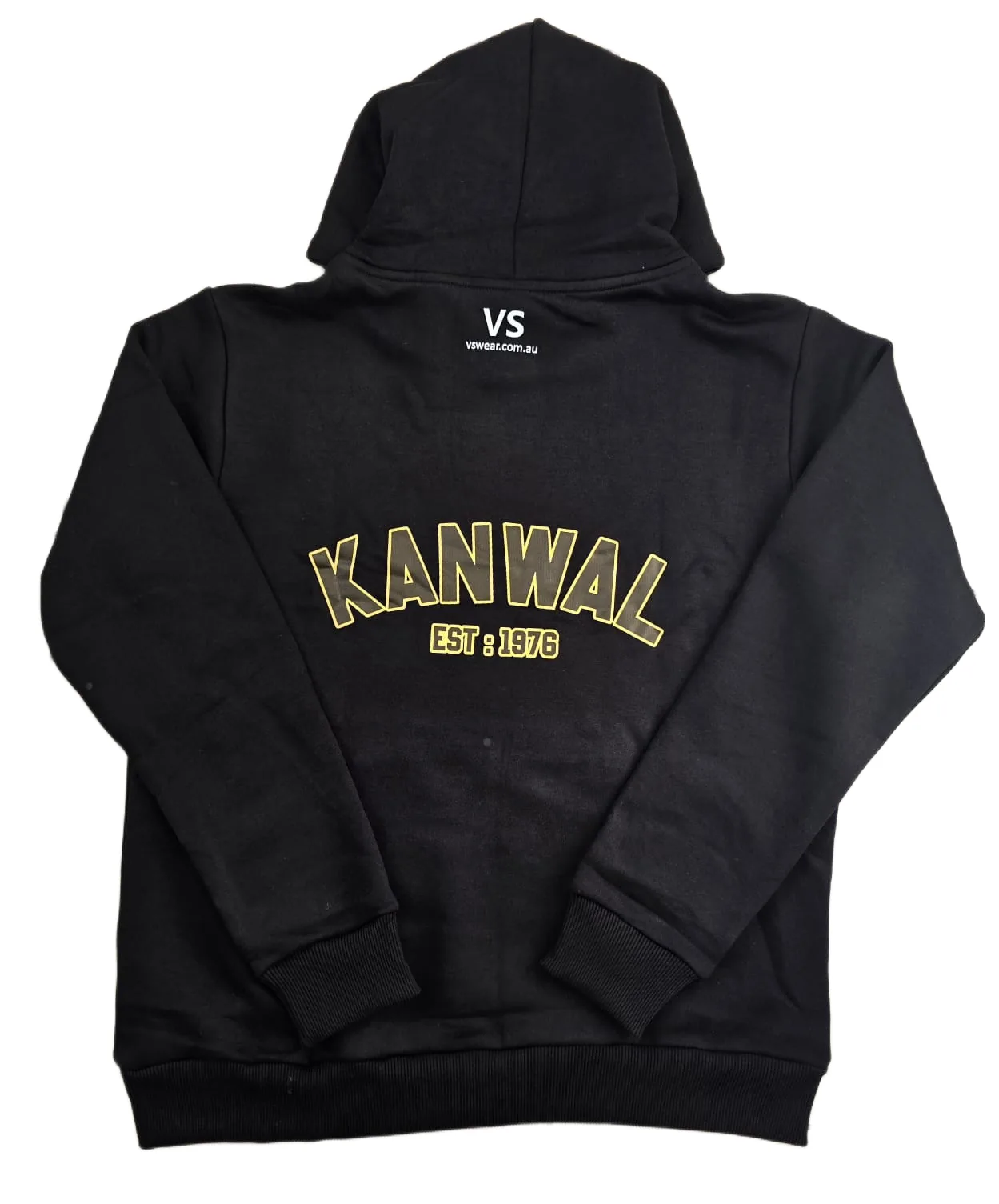
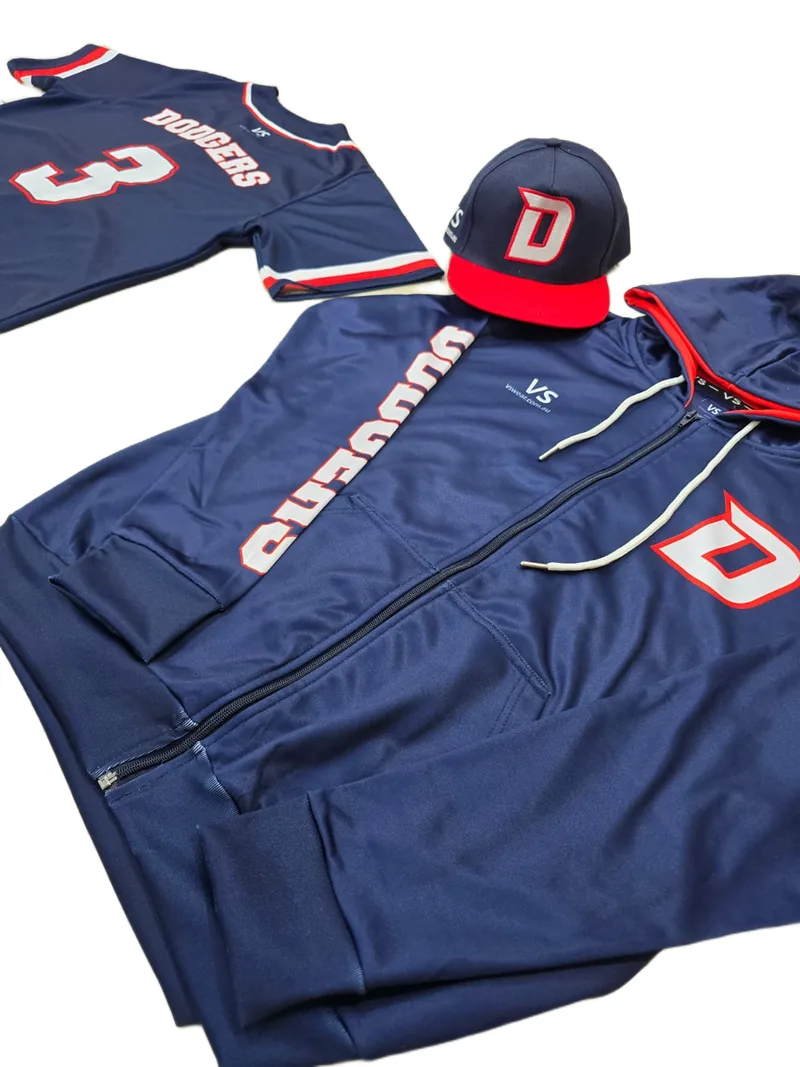
Strip the marketing and each method is a different physical event. Embroidery pulls coloured thread through the fabric thousands of times until a design exists in stitches: tactile, dimensional, institutional. Screen printing pushes ink through mesh stencils onto the surface: flat, bold, graphic, the poster tradition worn on fleece. Sublimation turns dye to gas inside polyester fibre: invisible to touch, unlimited in colour, bounded only by the garment's edges. Nothing about one is better in the abstract; each is the best version of a different idea.
The practical consequence: your artwork already prefers one of them, and the job of this guide, and of our design team behind it, is to hear the preference. Shortcut with a designer any time; the proof that comes back shows your artwork in its recommended method, free, inside two business days of the order landing.
The comparison, level scale
| Question | Embroidery | Screen print | Sublimation |
|---|---|---|---|
| Signature look | Raised, textured, premium | Bold, flat, graphic | Seamless, all-over, athletic |
| Colour scope | Discrete thread colours | Best at a handful of solids | Unlimited, gradients included |
| Coverage | Logos and crests | Panels, front and back | Entire garment, seams and all |
| Feel on fabric | Deliberately tactile | Light surface hand | None, colour lives in fibre |
| Durability character | Effectively permanent | Excellent with care | Permanent by chemistry |
| Fabric partner | 380gsm heavyweight cotton | Either line | 280 to 350 GSM polyester only |
| Names and numbers | Possible, deliberate | Possible per piece | Included, effortless |
| Beware of | Tiny text, gradients | High colour counts | Needs polyester, plan dark colours |
Read down your artwork's column and the verdict usually writes itself; the rest of this guide handles the orders where two columns tie. Keep the table handy for the committee meeting too, since method debates that run for weeks in a group chat tend to resolve in minutes once the trade-offs sit in rows instead of opinions.
Breaking the common ties
Crest versus canvas. An organisation logo on quality cotton: embroidery, almost always, and the embroidered page shows why the pairing with the 380gsm heavyweight is the corporate and committee default. But when the same organisation wants the design to BE the garment, colour to the cuffs, the tie breaks to sublimation and the polyester line, and the honest move is deciding which product you are buying before comparing methods.
Bold versus many-coloured. A two-colour mascot across a back panel is screen printing's whole reason to exist. Add a gradient sky behind the mascot and the tie breaks to sublimation, not because print fails but because the artwork stopped being a print design. We reroute artwork like this weekly, at proof stage, free.
Premium feel versus personal names. Embroidered gear feels senior; sublimated gear personalises effortlessly, names and numbers included at no cost. Clubs break this tie by splitting the order, sublimated playing group, embroidered staff, one design language across both, and the club page shows the pattern at work.
The method that is not on the menu
One technology is conspicuously absent from our range: heat-transfer vinyl and its cousins, the iron-on layer that dominates the cheapest end of the market. It demos well and ages terribly, cracking at flex points and peeling at corners, sometimes within a school term, and it is responsible for most of the "printed hoodies always crack" folklore that unfairly shadows genuine screen printing. We would rather explain its absence once here than remake gear forever, and if a quote elsewhere is mysteriously cheap, the transfer press is often the mystery.
The lesson generalises: method quality is process quality. The same sublimation, sewn badly, ghosts at the seams; the same embroidery, digitised lazily, puckers. Running all three methods inside one production line, with the 100% remake guarantee against the approved proof at the end of it, is our answer; ask any supplier for theirs.
Lifespan and care, method by method
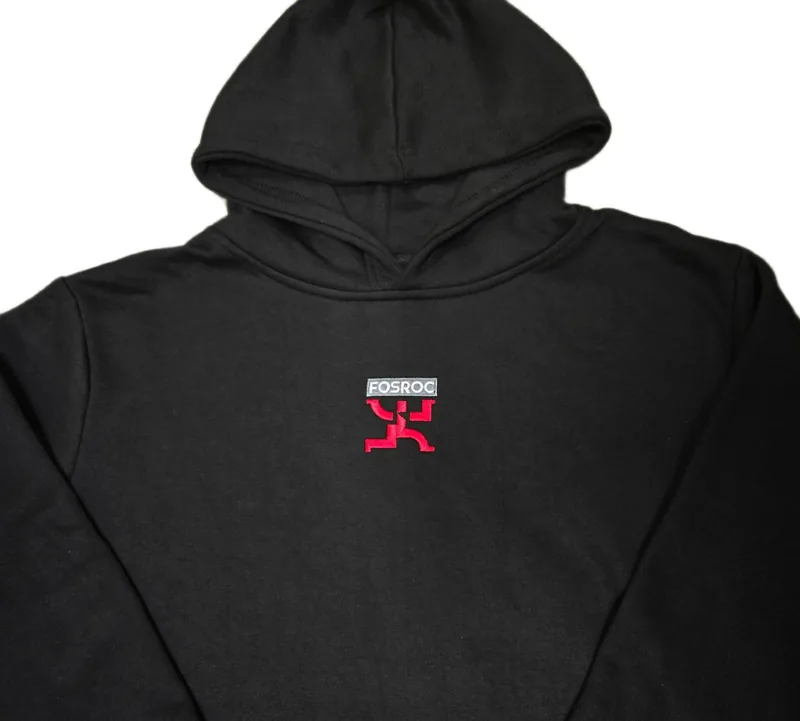
Longevity questions decide more method debates than aesthetics do, so here is the ageing story straight. Sublimated designs do not age as designs at all: the colour is the fibre, so wash one hundred looks like wash one, and the garment itself retires long before its graphics. Embroidery ages like furniture, which is to say it barely does; threads hold colour and structure for years, and vintage embroidered gear is collectable precisely because the crests outlive the fleece around them. Quality screen prints age gracefully with basic care, softening slightly into that worn-favourite look rather than failing; the crack-and-flake reputation belongs to cheap transfers wearing printing's name.
Care converges conveniently: cold wash, inside out, easy on the dryer, identical across methods and shipped with every order. Groups planning multi-year gear, clubs on the reorder cycle, businesses building a uniform, should weight this section heavily, because the method that suits year one and the method that still looks right in year four are, happily, the same shortlist.
Deciding in one conversation
Bring your artwork, or even a description of it, to a quote request and the method conversation compresses to minutes: recommendation with reasoning, quote with everything included, proof inside two business days of the order landing, unlimited revisions if the committee wants to see the road not taken. All three methods, one guaranteed 3 to 4 week production window, one place. The gallery holds finished evidence of every method side by side; the fabric guide covers the material half of the decision; and 1800 845 056 answers when reading gives way to deciding. Whichever method your artwork chooses, it will be executed by the team accountable for it end to end, which is the one comparison row no chart can carry and the only one that matters at wash fifty.