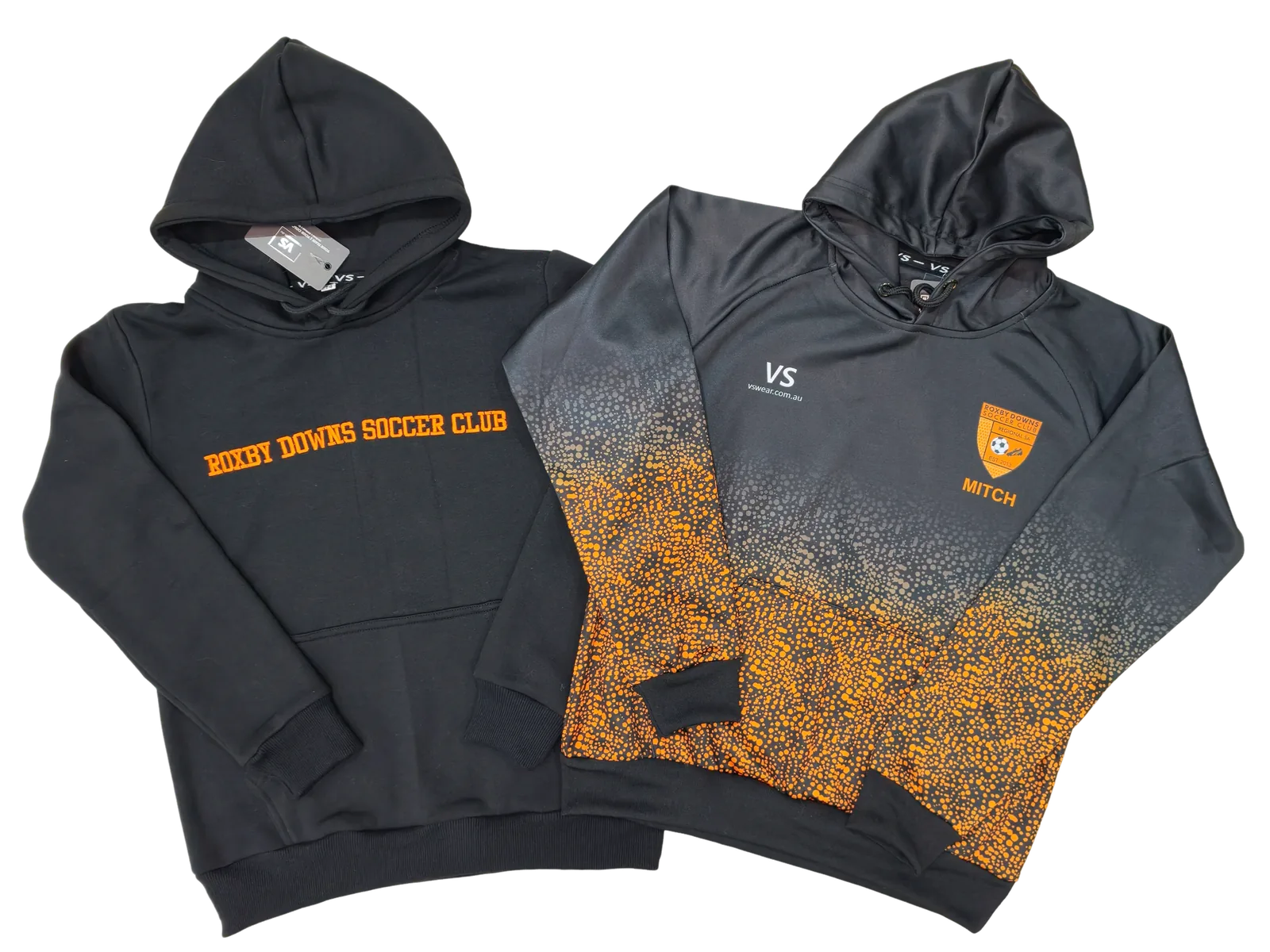
The specification that cannot lie
Marketing adjectives are unfalsifiable; grams per square metre is not. That single property makes GSM the most useful line on any garment spec sheet, and its absence the most useful warning. A supplier who writes premium heavyweight fleece without a number is asking for trust; a supplier who writes 380gsm is offering a measurement you could verify with scissors and a kitchen scale. We publish our weights everywhere, 380gsm for the cotton line, 280 to 350 GSM for the sublimated polyester line, precisely because the habit of asking for numbers serves buyers better than any brand promise, including ours.
Weight is not the whole fabric story, but it is the spine of it: warmth, drape, durability and that instant hand-feel verdict all scale with it. Learn the bands and you can price-check the entire market in your head. Or just ask us directly; fabric questions in quote requests get answered by people who handle the cloth daily.
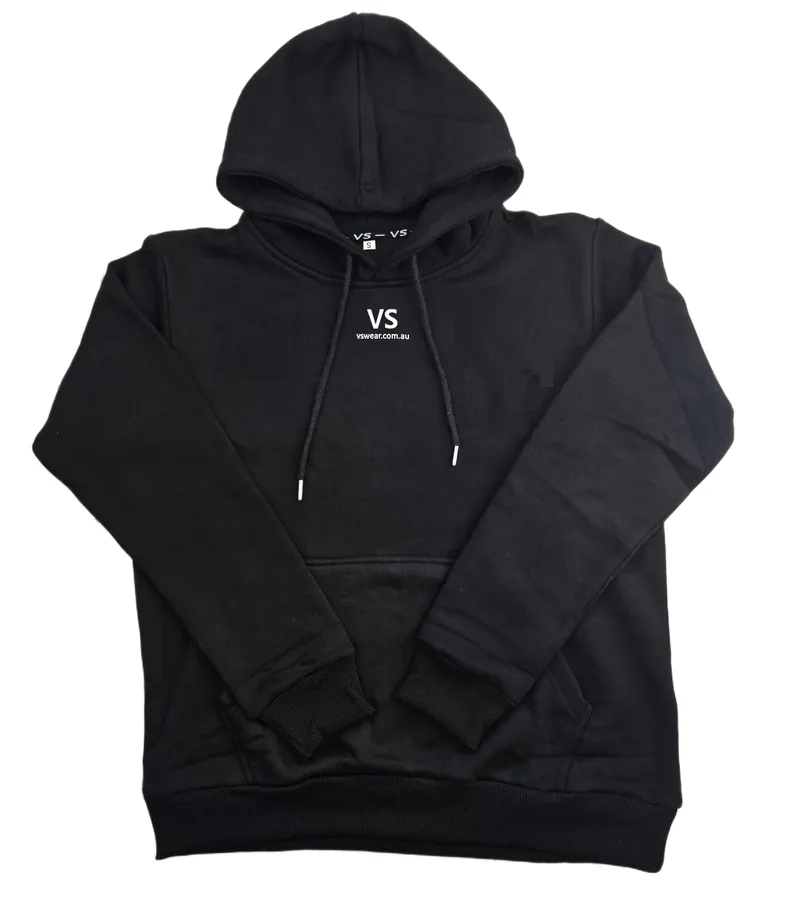
The weight bands, translated
Fleece weights cluster into recognisable bands, and knowing them decodes every listing you will ever read. The light band, well under 300, is tee-shirt-adjacent: cheap to produce, cool to wear, quick to thin at the cuffs; it dominates giveaway merch and the sharpest-priced group offers. The middle band, around 300 to 350, is the versatile core: real warmth, sensible weight, the zone our sublimated polyester line occupies at 280 to 350 GSM tuned by use. The heavyweight band, mid-300s up, is where fleece gains authority: structure, plushness, winter-grade warmth, and the handed-down-not-thrown-out lifespan. Our 380gsm cotton line lives here on purpose.
One caution while comparing: GSM bands only compare within like fabrics. Cotton and polyester fleeces of equal weight feel different, drape differently, and serve different jobs, which is why the next question matters as much as the number.
Cotton and polyester, without the tribalism
The internet loves a fibre war; production floors do not. Cotton fleece is the emotional favourite for a reason: the soft, warm, substantial feel that says hoodie to every hand that touches it. It takes embroidery superbly, wears in rather than wearing out, and reads as premium in staff rooms and club presentations. Its trade-offs: it carries sweat less gracefully and cannot be sublimated, since the dye chemistry needs polyester.
Polyester fleece is the working athlete: lighter on its feet, faster drying, unbothered by wash cycles, and the only fibre that accepts sublimated colour into its structure, which is why every edge-to-edge design in our gallery lives on it. Its trade-off is exactly cotton's virtue: it will never quite have that dense cotton plush.
So the honest matrix is short. Classic feel plus crest branding: cotton at 380gsm. Design coverage, training use, warm climates, names and numbers: polyester at 280 to 350 GSM. Whole-organisation orders often need both, one line for the playing group, the other for staff, and buying from a maker of both means the recommendation is never a sales pitch for the only machine in the room.
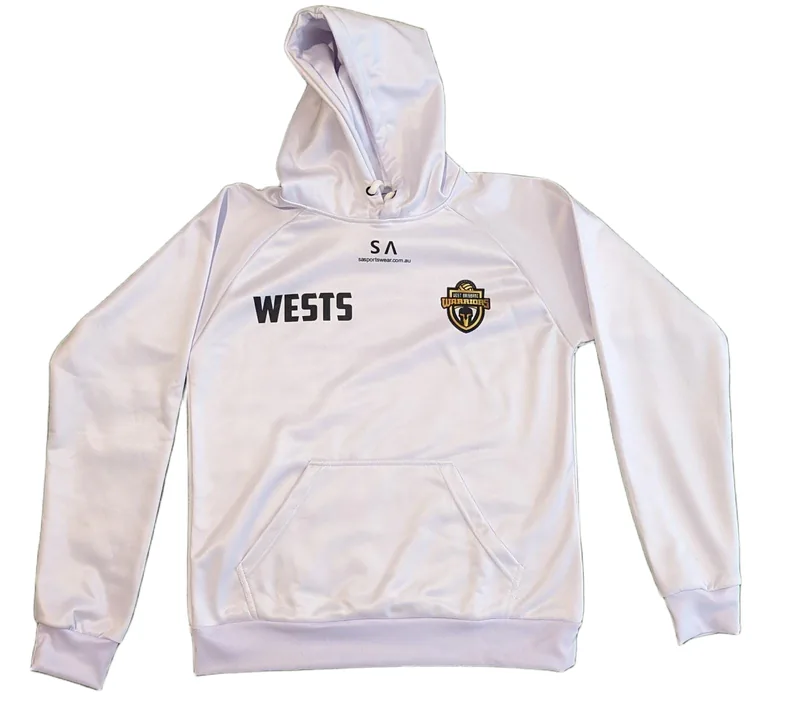
What weight means for decoration and fit
Fabric and decoration are one decision wearing two names. Heavy cotton gives embroidery a stable bed, stitches sit deep and proud, and keeps big screen prints flat through years of washing; light fleece under a dense print can pucker and curl, one more quiet failure of the bargain bin. On the polyester line, fabric and sublimated design are produced as a single system, so the weight choice tunes drape and warmth while print quality stays constant, gradients and all.
Fit follows weight too. Heavier fleece holds silhouette, which flatters the relaxed and oversized cuts groups increasingly request, while lighter builds move better over training layers. Sizing advice in our group ordering guide accounts for both, youth 6 through adult 5XL either way.
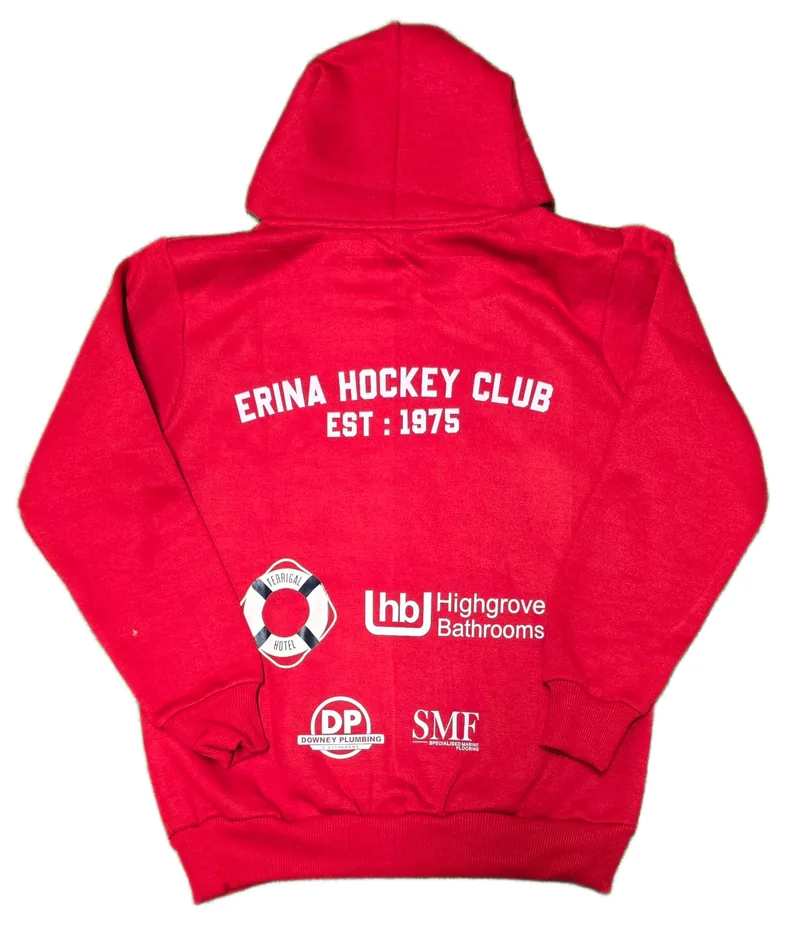
Three fabric myths worth retiring
"Heavier always means hotter." Weight adds warmth capacity, not a furnace; construction, layering and climate decide comfort. A 380gsm hoodie over a tee on a seven-degree morning is exactly right, which is why the heaviest fleece in the range is also the most reordered.
"Polyester is the cheap option." A hangover from decades-old fabric. Modern performance polyester is engineered material: the 280 to 350 GSM sublimated line costs what it does because dye-receptive, wash-stable, shape-holding fleece is genuinely sophisticated cloth, chosen for capability rather than price.
"You can feel quality, so specs do not matter." Hands are good instruments and terrible archives. You can feel the difference between two hoodies on a table; you cannot feel what a listing will ship next quarter, or whether a reorder will match. Specs in writing, weights published, references on file, are how feel gets made repeatable, and repeatability is most of what organisations are actually buying.
Reading any supplier in three questions
Compress this whole guide into a buyer's script. What is the GSM, and is it in writing? Which fibre, and why for my use? What happens to the decoration at wash fifty? Confident suppliers answer in numbers and mechanisms; the rest answer in adjectives. Our answers are printed across this site, restated on every quote, locked into every design proof, and backed by the 100% remake guarantee against what you approved, with production guaranteed at 3 to 4 weeks from that approval.
When the reading is done and the ordering starts, request your quote with your use case, climate and artwork, and the fabric recommendation arrives with the number attached, within 2 hours during business hours. The cloth is the product; we would rather you judged us on it, measured, in writing, and then on your own group's shoulders through a full winter.