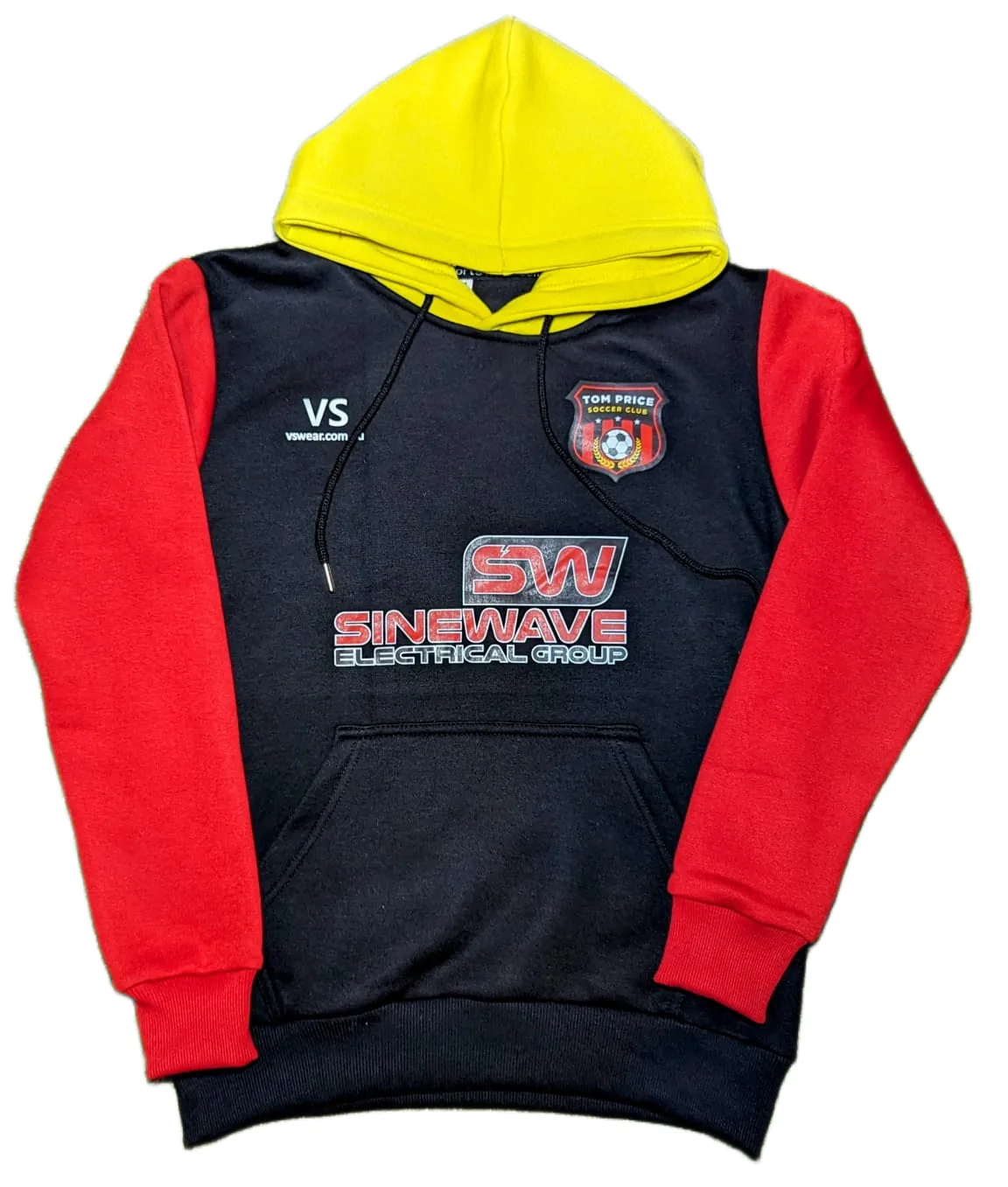
The Tom Price test
Every national supplier claims to serve WA; few can photograph it. Our proof leads this page: Tom Price Soccer, a club in a Pilbara mining town fifteen hundred kilometres from Perth, ordered custom club hoodies and received them the same way a suburban club would, quote, proof, guaranteed window, tracked freight, no distance surcharge, no quiet apology. We call it the Tom Price test: if a gear model survives the Pilbara, the Perth metro is a formality.
That test matters because WA's geography genuinely breaks most national supply models. Here it does not: CustomHoodie supplies made-to-order hoodies to Perth and WA clubs, schools, businesses and site crews from 10 units, with identical factory-direct pricing, free design, a quote within 2 hours during business hours, and tracked delivery to every postcode in the state, from the western suburbs to the Pilbara. Run your own Tom Price test from wherever in WA you are.
Built for the WA economy's actual shape
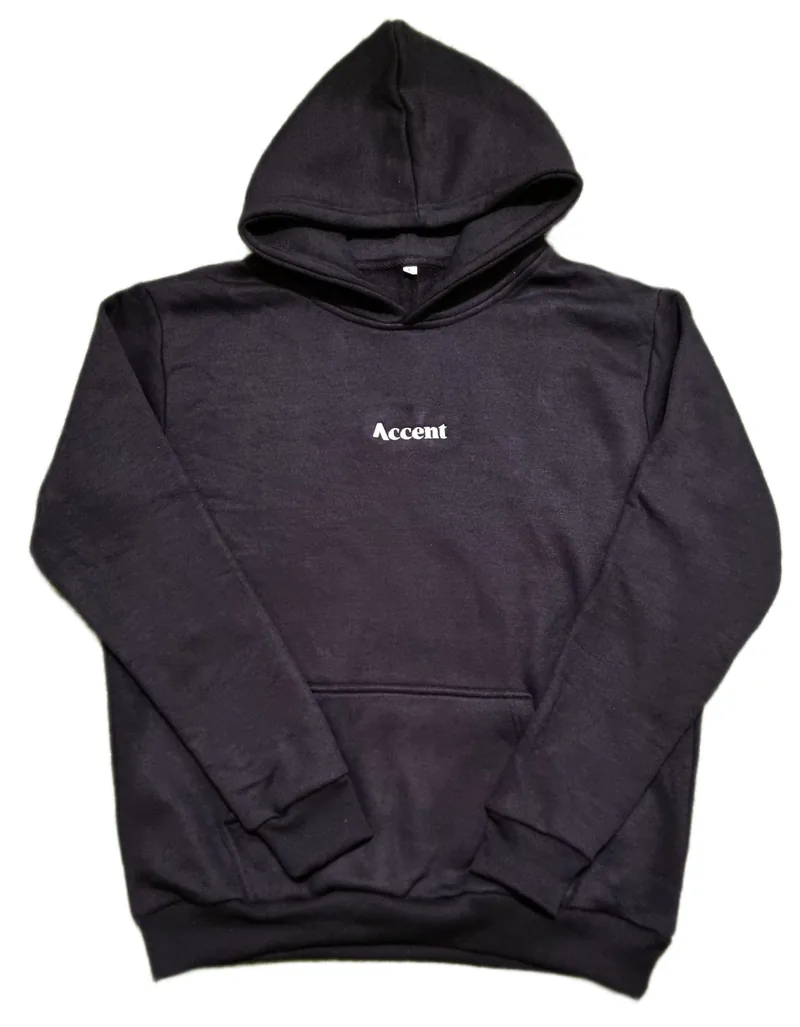
WA's order book looks different from the eastern states', and the model flexes to match. The industrial and trades sector leads: crew hoodies for site dawns, embroidered company marks that survive pressure-washing and read across a laydown yard, names included for the crib-room, and the PPE line drawn honestly, this is the warmth around your certified gear, never a substitute, all per the trades brief. FIFO logistics get native support: sizes collected over any group chat via the measurement method, delivery to office, site or depot, and swing-by-swing top-ups riding the archive. And the metro's clubs, schools and businesses run the standard national playbooks with WA calendars, from club season to leavers.
From 10 units across all of it, all-inclusive, no setup, artwork or digitising fees: one figure per unit, nothing itemised on top.
Climate honesty, both halves of the state
WA is two climates in one state, and fabric advice should respect it. Perth and the South West get real winters, wet, wind-driven and genuinely cold, where the 380gsm heavyweight cotton does its full southern job through club seasons and site mornings. North of the 26th parallel the logic flips: the sublimated polyester line at its lighter 280 to 350 GSM builds serves dawn starts, over-cooled crib rooms and evening sport, with dyed-in colour that ignores a UV index the south never meets. Split organisations, a company with Perth offices and Pilbara sites, a sporting body spanning both, simply mix lines in one order, one design, one archive, climate-right at every address.
The fabric guide carries the full reasoning if the crew wants to dig into the detail.
Colour, crews and the things WA notices
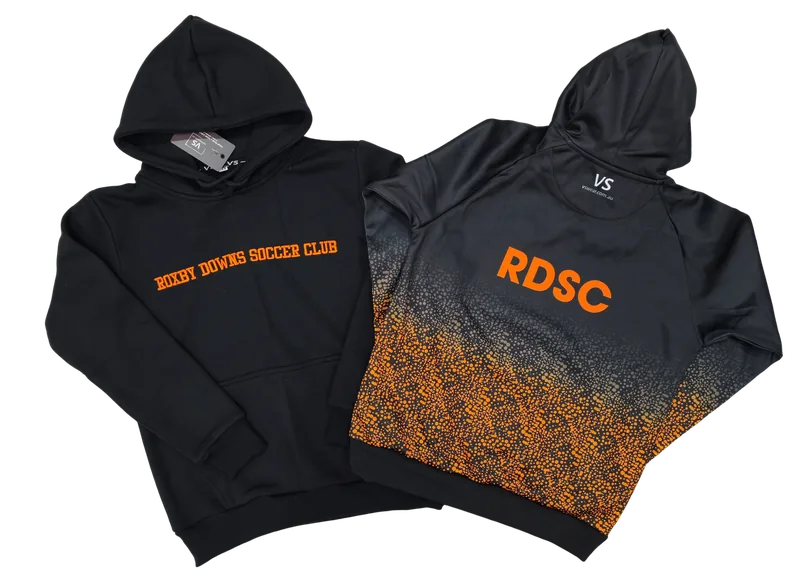
West Australian organisations hold identity tightly, isolation does that, and made-to-order manufacture serves it: club colours produced into the fabric against your references, company marks embroidered to survive industrial laundering, sponsor and contractor logos placed unlimited and included, and everything locked at proof then archived so the reorder that follows next season, next swing or next intake matches to the thread. Names and numbers, included on sublimated builds, do double duty in WA's communal living arrangements: gear that says whose it is comes home more often.
Proof standards stay national: real photography only, across this page and the gallery, the written 3 to 4 week production guarantee, the 100% remake guarantee against your approved proof, and new projects posting weekly to the VS Wear Instagram if the committee wants to browse recent work.
Timing across two time zones of distance
WA planning adds one honest variable: transit. Production holds its guaranteed 3 to 4 weeks from approval everywhere; freight west, and especially freight north, deserves a few extra days in the plan, which the quote conversation will set realistically for your postcode. The seasonal calendar otherwise matches the national timeline: winter codes ordering late summer, schools on terms, businesses before June cold and December shutdowns, and the north ordering to roster logic all its own. The one WA-specific rule: remote deadlines reward early approval even more than metro ones, so appoint the signer before the swing changes.
Time zones, quotes and the western workday
One practical wrinkle deserves naming: the two-to-three-hour gap between WA and the eastern seaboard, which turns "within 2 hours during business hours" into a planning question worth thirty seconds. The rhythm that works: fire quote requests in the WA morning and answers land inside your working day; afternoon requests may resolve next morning, which changes nothing for a made-to-order timeline but is worth knowing before a committee meeting promises otherwise. Proof cycles behave the same way, and the asynchronous nature of the whole process, forms, proofs, email approvals, means the time zone costs WA nothing structural: no phone-tag, no missed windows, just a rhythm to learn once.
FIFO coordinators exploit this deliberately: quote and proof traffic runs from site in the morning, approvals happen on days off, and the archive holds everything between swings. The model was distance-proof before it was time-zone-proof, but it is comfortably both.
West, sorted
The sequence, Perth to the Pilbara: send the quote request with group, numbers, colours and postcode; the all-inclusive figure returns within 2 hours during business hours; the proof loop runs over whatever distance your committee spans; and the guaranteed window plus honest freight lands gear at the clubhouse, office or site gate, tracked the whole way. Hundreds of committees, schools and companies have run their gear through this process, and the Tom Price order remains our favourite proof that distance is a detail. 1800 845 056 works on WA time; the model always has.